


Vietnamese Opera – Vietnam’s Traditional Theater Art


In English, the art of hát tuồng is commonly referred to as Vietnamese opera or classical theatre. This traditional form of performance is not only a source of entertainment but also a valuable cultural heritage, reflecting the ethics, values, and way of life of the Vietnamese people throughout history.
Origins of Vietnamese Opera
The exact origin of Vietnamese opera remains uncertain, with several main theories:
-
Tran Dynasty (13th century): A Chinese performer named Lý Nguyên Cát was kept in Vietnam after the victory over the Mongol invasions. He adapted ancient stories into performances, influencing early Vietnamese opera.
-
17th century in Bình Định: Vietnamese opera was further developed by Đào Duy Từ, who transformed elements of traditional cheo theater into this new form.
-
16th–17th centuries: Vietnamese opera evolved from folk stage performances and gradually became professional, reaching its peak during the Nguyen Dynasty.
Historical Development
-
Feudal era: Vietnamese opera was popular in the royal court, especially during the Tay Son period and under Emperor Minh Mang, with grand theaters supporting performances.
-
Early 20th century: Influenced by romantic literature, Vietnamese opera remained the national theater, though it faced restrictions after 1954.
-
Modern era: Today, Vietnamese opera faces the risk of fading away but continues to be preserved through theaters, festivals, and performances.
Types of Vietnamese Opera
-
Pho-style opera: Based on Chinese stories, these plays can have hundreds of acts, though only key sections are typically performed.
-
Master-style opera: Literary works with moral lessons, where characters serve as role models.
-
Folk-style opera: Originating from Hue and southern regions, this style reflects everyday life and often incorporates humor.
Artistic Features
-
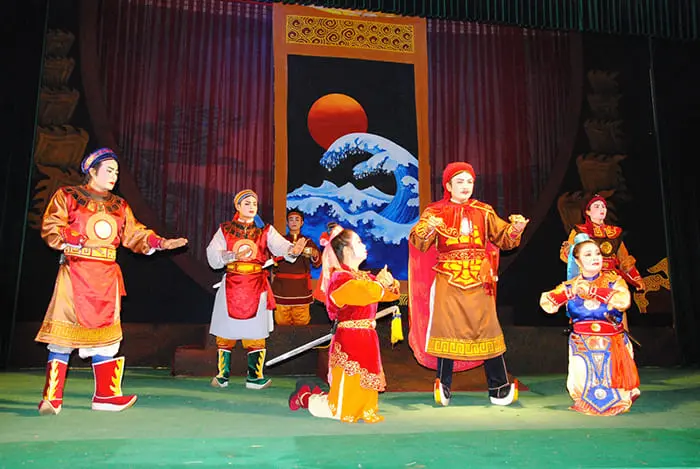
Content: Focuses on royal court life, political struggles, loyalty, and the battle between good and evil.
-
Structure: Typically three acts – introduction, rising conflict, and resolution.
-
Music: Includes drums, flutes, kìm, and other traditional instruments that enhance the drama.
-
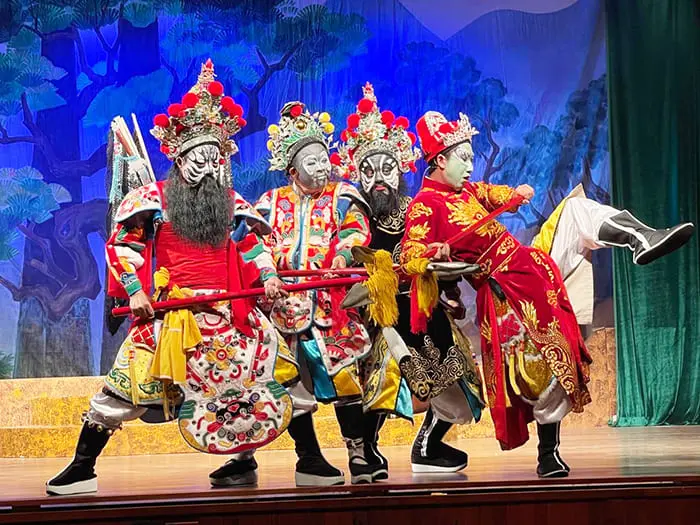
Makeup: Color-coded masks represent character traits: red for heroes, white for villains, black for integrity.
-
Costumes and props: Elaborate robes, armor, and weapons bring characters and stories vividly to life.
Conclusion
Vietnamese opera is a treasure of Vietnamese culture, combining music, dance, visual arts, and literature. Preserving and promoting this art form not only safeguards tradition but also introduces Vietnamese culture to the world.
images: collected
Plan Your Trip with TripAsean Tours
👉 Contact TripAsean Tours: For customized trip planning, hotel recommendations, and expert travel tips.
-
-
-
-
-
- 📞 Hotline: +84 961 518 918
- 🌐 Website: www.tripasean.com
- 📧 Email: info@tripasean.com
- 📝Let me know your request: Fill out the form here
-
-
-
-
Related Posts

Mui Ne Jeep Tour: Ride Through Vietnam’s Mini Desert at Bau Trang
Dalat Cherry Blossom Season 2026 | Wild Himalayan Blossoms
Ancient Xoan Singing in Phu Tho – A Unique Cultural Tourism Experience
Lo Lo Chai and Then Pa: Two Unique Villages in Lung Cu, Ha Giang
Tây Nguyên Gong Culture – UNESCO Intangible Heritage of the Highlands
Buffalo Racing Festival: Where Sport Meets Khmer Culture in An Giang
Chau Phong Village: Preserving the Art of Cham Brocade Weaving in An Giang
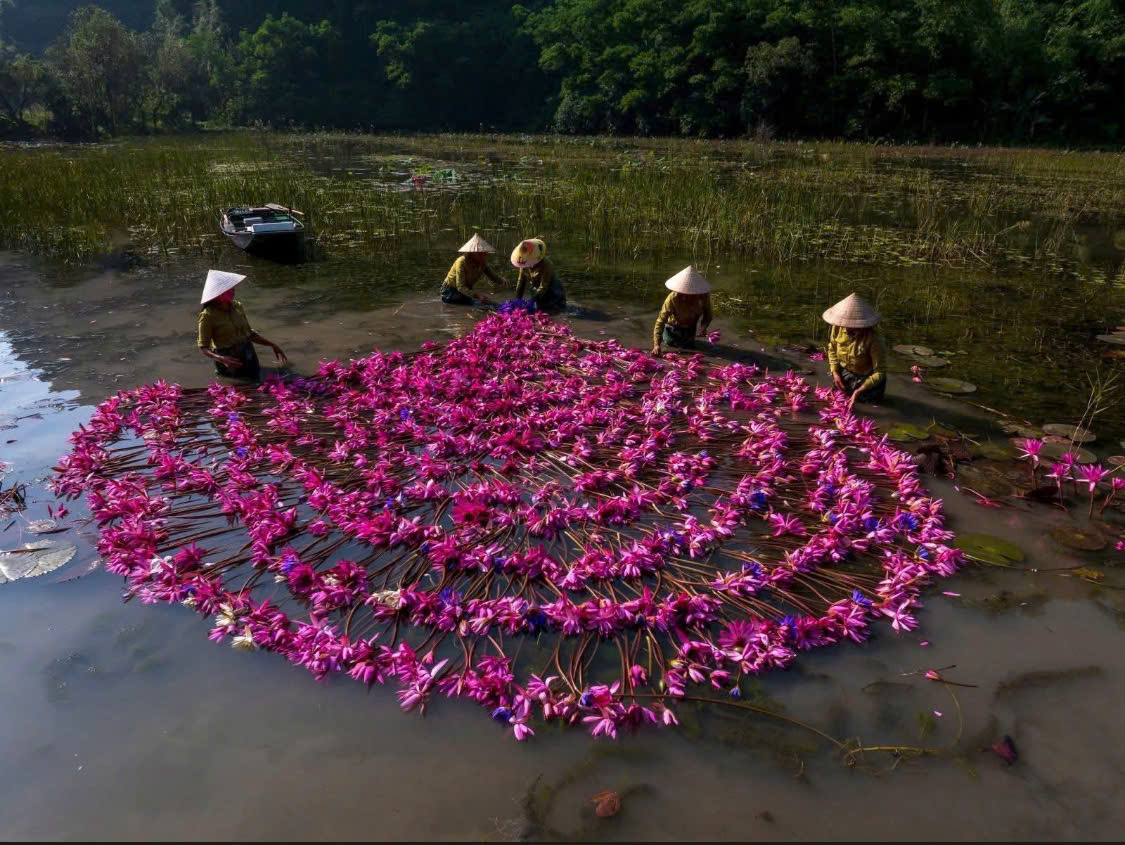
The Water Lily Season in Ninh Binh – Ngo Dong River Transforms into a Dreamy Purple Ribbon
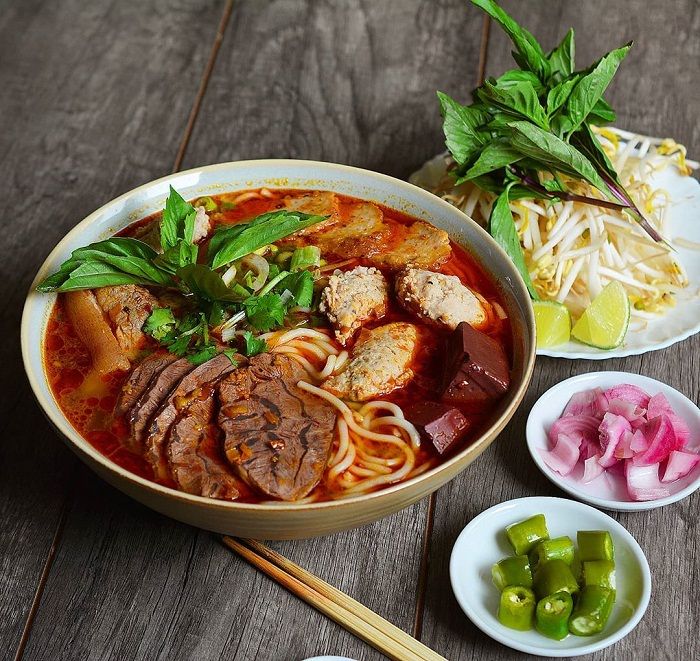
Bun Bo Hue: The Legendary Heritage Behind Vietnam’s Spicy Noodle Soup
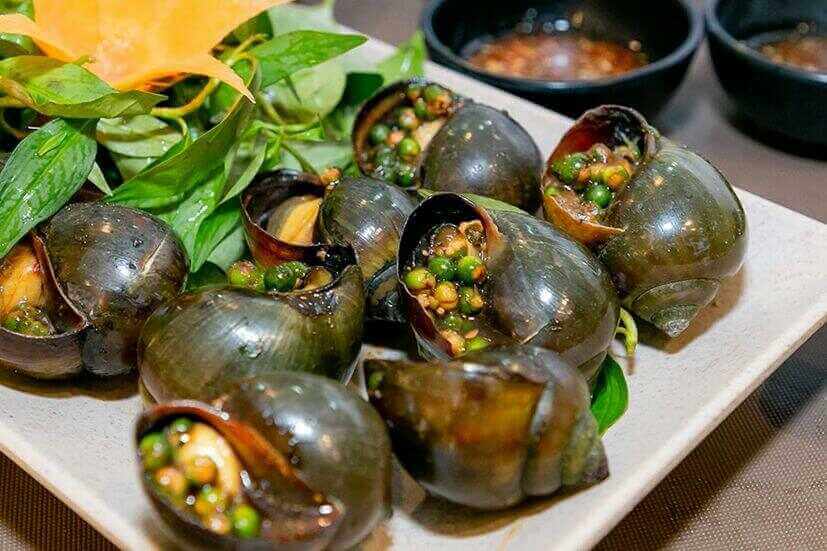
5 Vietnamese Snail Restaurants Recommended by Michelin
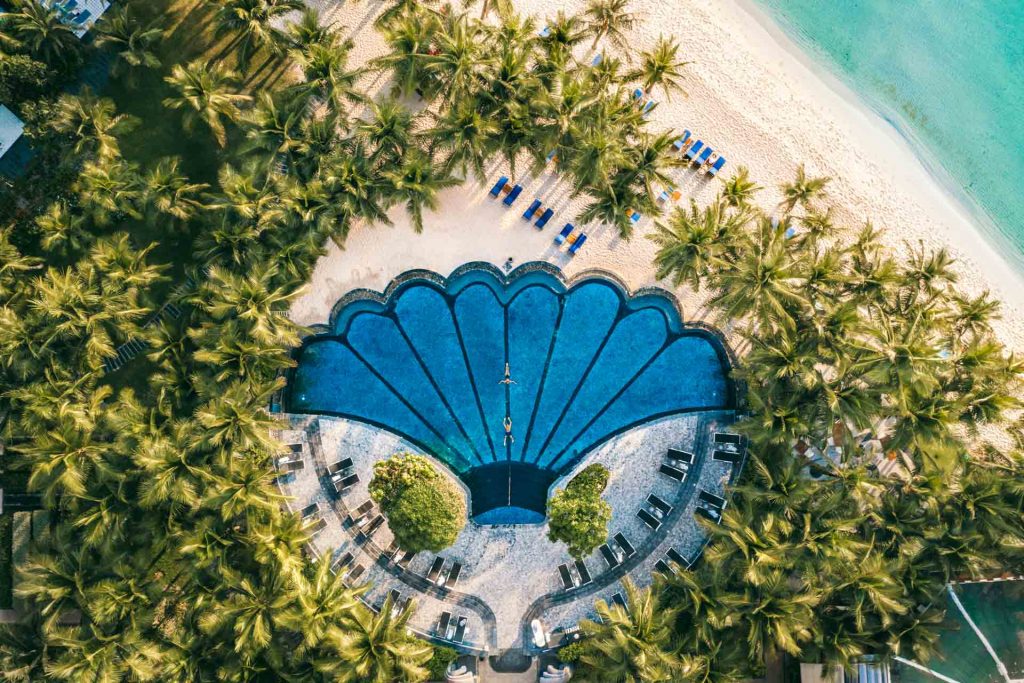
JW Marriott Phu Quoc Named One of Asia’s Top 5 Resorts
Dong Cuu Embroidery Village – The Timeless Art of Imperial Robe Embroidery in Hanoi

Ban Gioc Waterfall – The Biggest Waterfall in Vietnam

Bai Dinh Pagoda – The Majestic Beauty of A Pure Place
Ha Long Bay – Things you need to know

Hanoi Old Quarter – Things you need to know
Hoi An Ancient Town – World Cultural Heritage
Ninh Binh – Maybe you don’t want to miss this majestic place

A city in the midst of the fog – Sapa
Ha Giang