


The Vietnamese Ao Dai – A Timeless Symbol of Grace and Cultural Identity


Introduction: The Elegance of the Vietnamese Ao Dai
When people think of Vietnam, one of the first images that comes to mind is the flowing, graceful Ao Dai. More than just traditional clothing, the Ao Dai represents the soul of Vietnamese culture, symbolizing feminine beauty, elegance, and national pride.
Through centuries of change, this long dress has remained a cherished icon that connects the past with the present.
1. The Origins and History of the Ao Dai
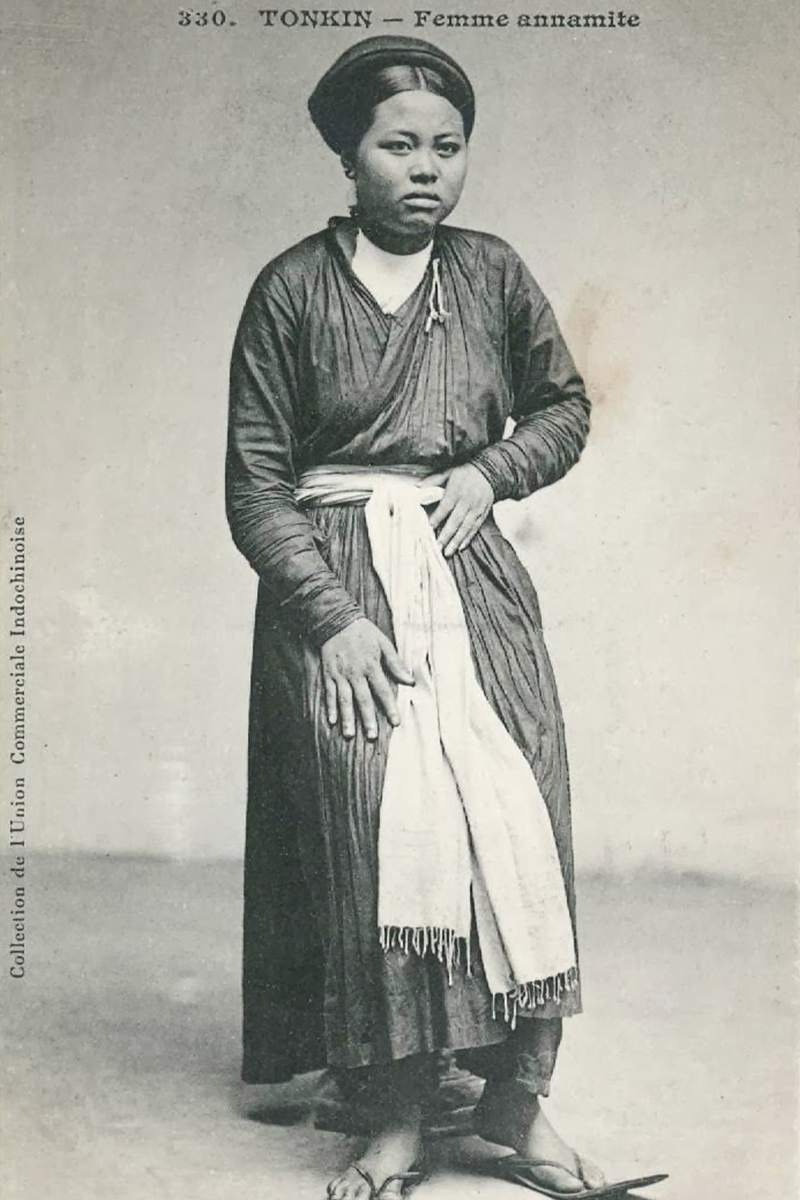
The Ao Dai has deep roots in Vietnamese history, dating back to the 18th century. Its earliest version, the Ao Ngu Than (five-paneled gown), was worn during the Nguyen Dynasty.
In the 1930s, Vietnamese designers modernized the garment by blending traditional patterns with French tailoring techniques, creating the sleek, fitted silhouette we know today.
Since then, the Ao Dai has become a national costume and an enduring symbol of Vietnam’s identity and artistry.
2. Structure and Symbolism
The Ao Dai is a two-piece ensemble consisting of:
-
A long, fitted tunic with a high collar and long sleeves, split gracefully at both sides.
-
Loose silk trousers, often in white or matching colors, flowing softly beneath the tunic.
Each detail of the Ao Dai holds symbolic meaning:
-
The high collar represents modesty and respect.
-
The two long panels (front and back) symbolize harmony between past and present, body and soul.
-
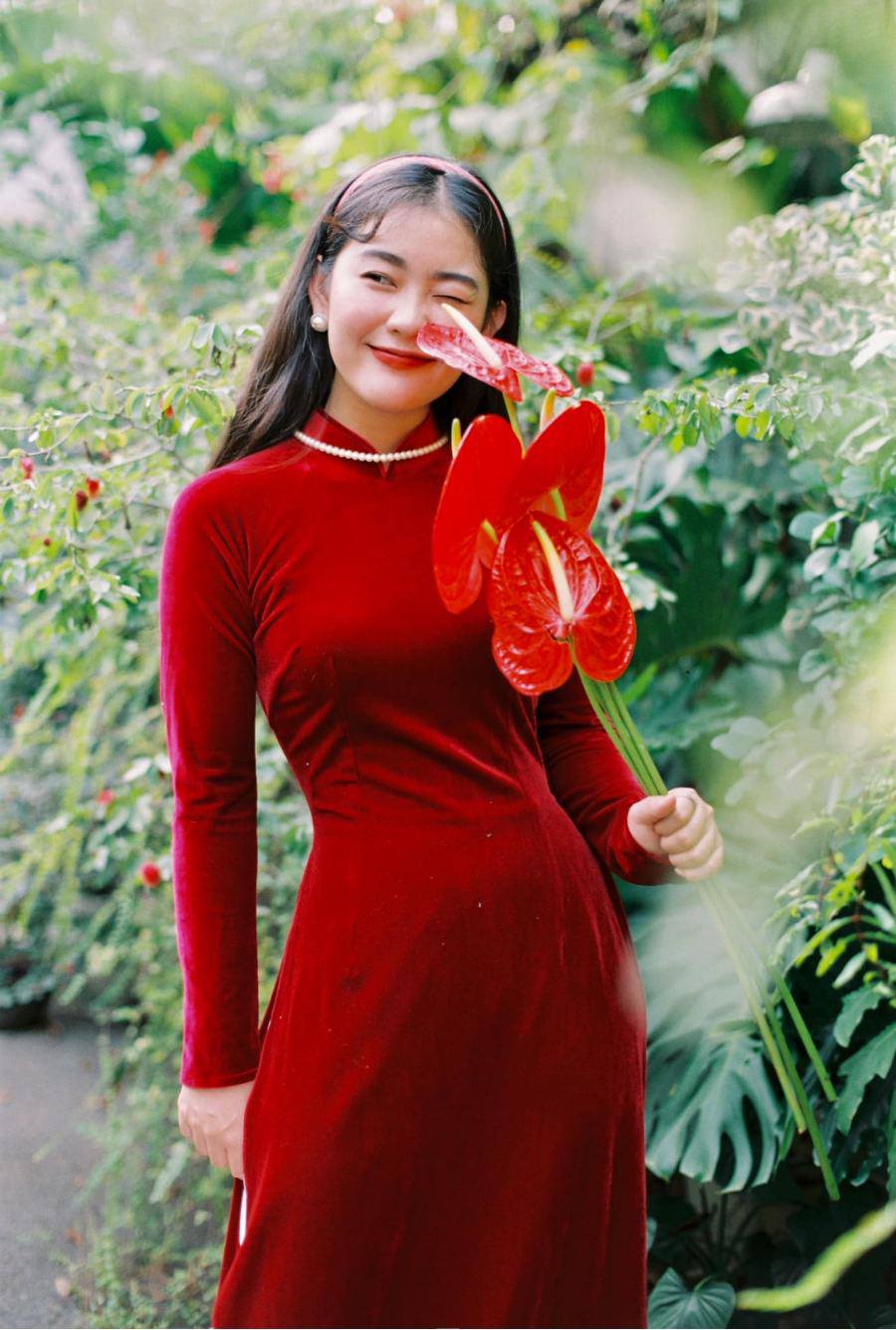
The colors and patterns express age, personality, and occasion — white for purity (often worn by students), red for luck (popular in weddings), and pastel shades for elegance.
 3. The Ao Dai in Modern Life
In today’s Vietnam, the Ao Dai continues to play an essential role in everyday life and special occasions.
You’ll see it in:
- School uniforms, where female students wear white Ao Dai as a symbol of innocence.
- Cultural and national events, such as Tet (Lunar New Year), weddings, and festivals.
- Workplaces, especially airlines and hotels, where it serves as an elegant uniform.
Modern designers have also reimagined the Ao Dai with new materials and contemporary touches — lace, velvet, digital prints, and shorter sleeves — while keeping its traditional essence intact.
4. The Ao Dai on the Global Stage
The Ao Dai has transcended borders to become an international cultural ambassador for Vietnam.
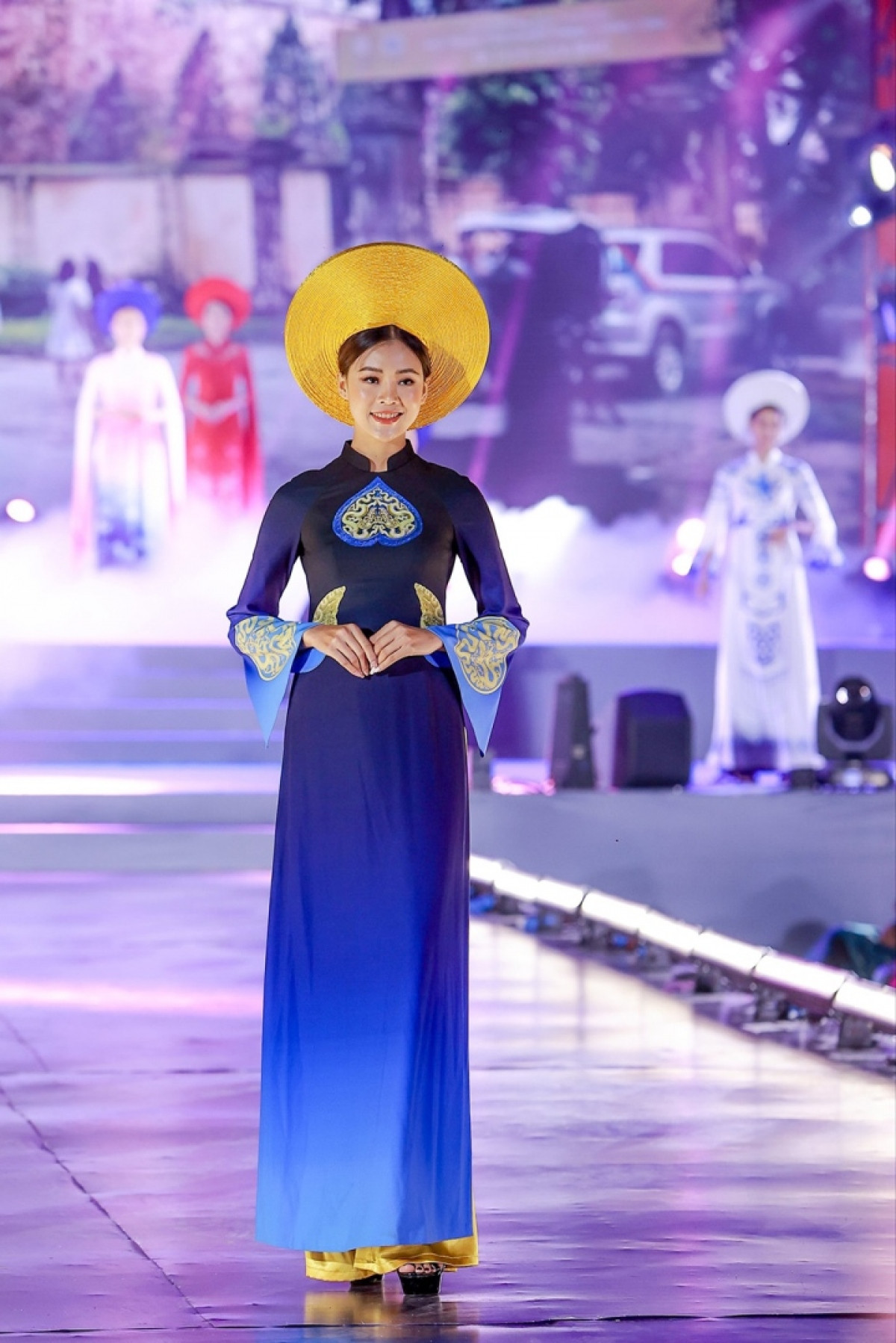
From fashion runways in Paris and Tokyo to international cultural exhibitions, it continues to captivate audiences with its graceful form.
Many designers around the world have drawn inspiration from the Ao Dai, adapting its silhouette into modern couture collections — showcasing Vietnam’s cultural richness to the global fashion scene.
5. Preserving and Promoting the Ao Dai Legacy
As Vietnam embraces modernity, preserving the Ao Dai’s cultural value is more important than ever.
Cultural initiatives such as Vietnamese Ao Dai Week, and the increasing number of young people wearing it for photo shoots, school events, and holidays, demonstrate how the garment continues to thrive in modern society.
By blending tradition and creativity, new generations are keeping the spirit of the Ao Dai alive — not just as fashion, but as a proud expression of Vietnamese identity.
Conclusion: The Ao Dai – The Soul of Vietnam
The Ao Dai is more than fabric and thread — it is a living expression of Vietnamese culture, history, and beauty.
It speaks of a nation that values grace, respect, and harmony. Whether seen on the streets of Hanoi or in international fashion shows, the Ao Dai remains a timeless symbol of Vietnam’s elegance and pride.
Plan Your Trip with TripAsean Tours
👉 Contact TripAsean Tours: For customized trip planning, hotel recommendations, and expert travel tips.
-
-
-
- 📞 Hotline: +84 961 518 918
- 🌐 Website: www.tripasean.com
- 📧 Email: info@tripasean.com
- 📝Let me know your request: Fill out the form here
-
-
Related Posts

Mui Ne Jeep Tour: Ride Through Vietnam’s Mini Desert at Bau Trang
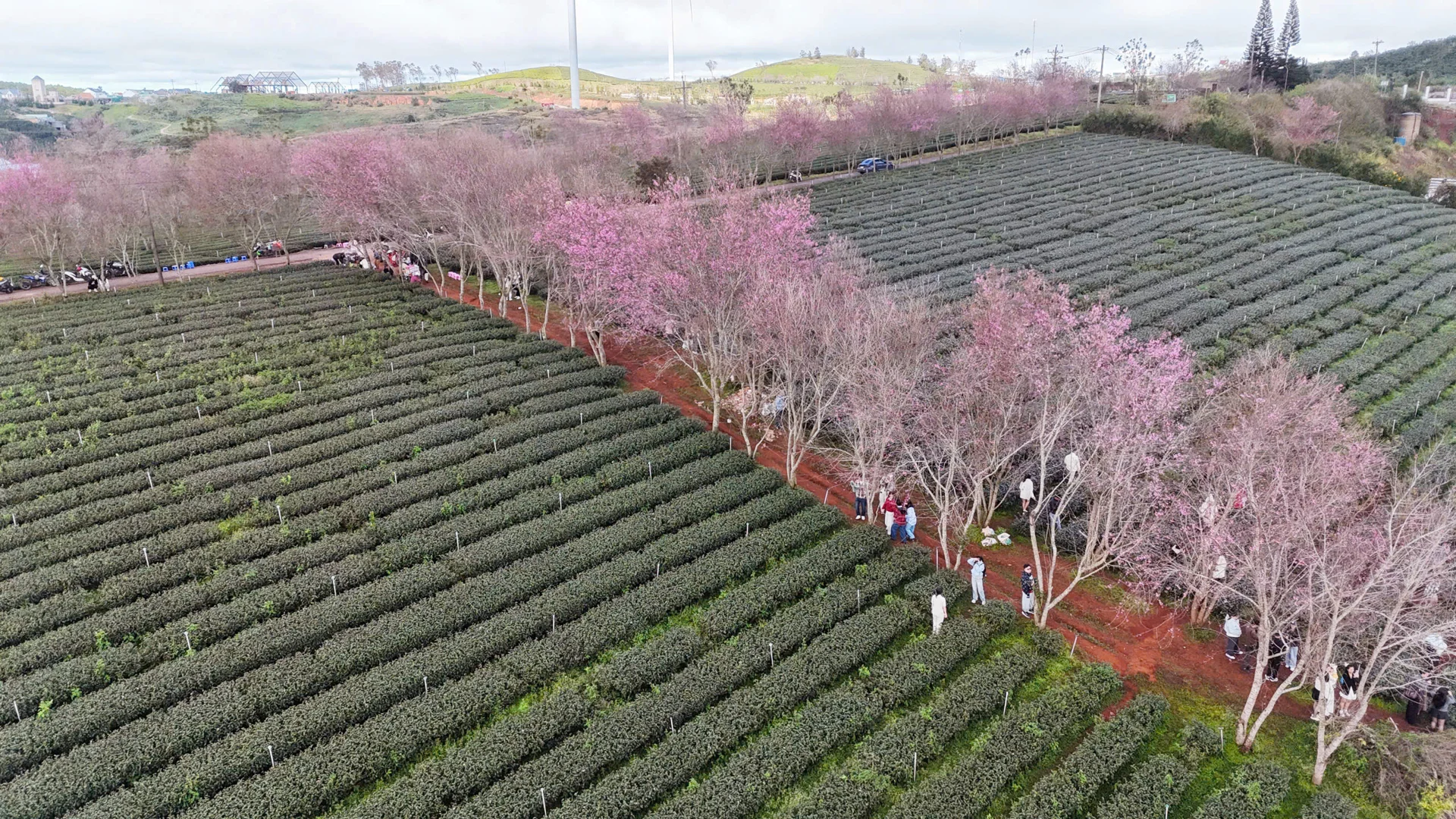
Dalat Cherry Blossom Season 2026 | Wild Himalayan Blossoms
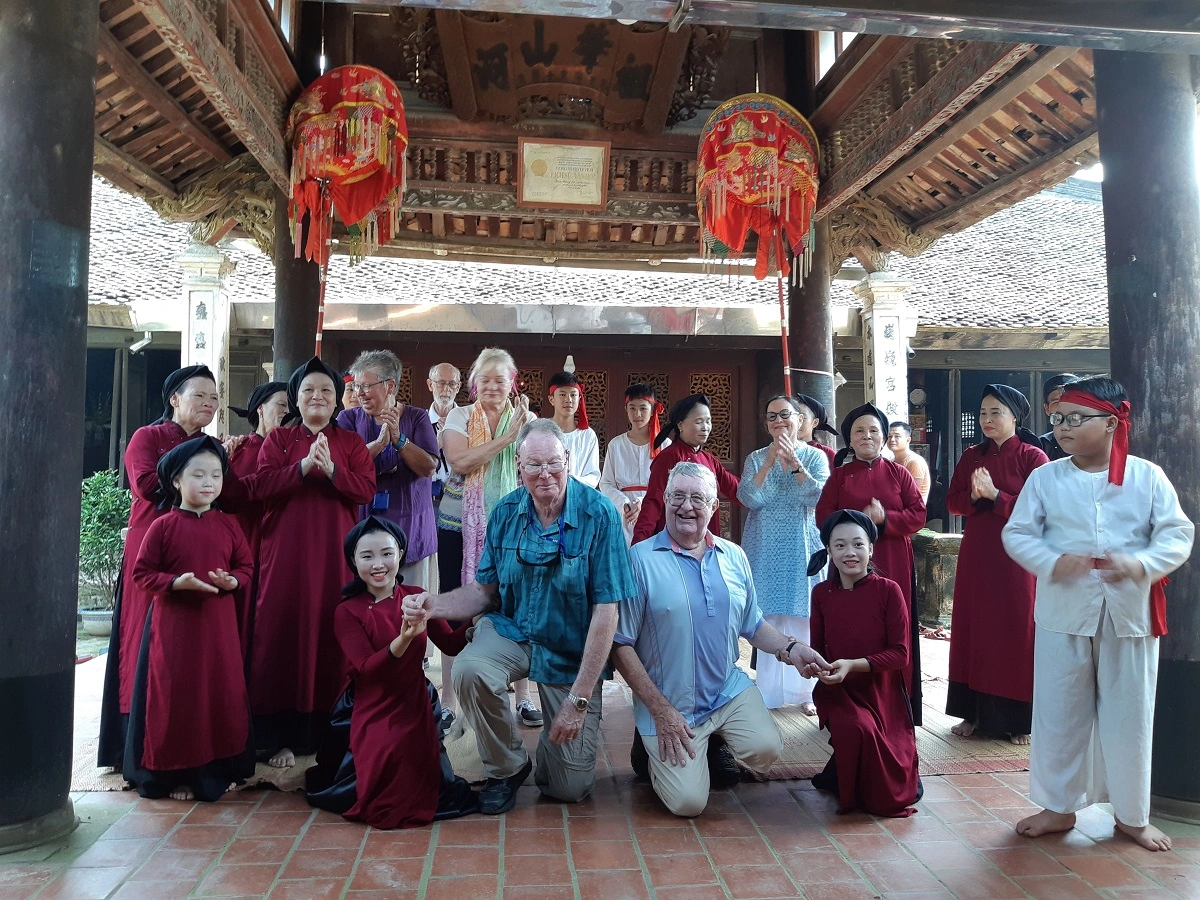
Ancient Xoan Singing in Phu Tho – A Unique Cultural Tourism Experience
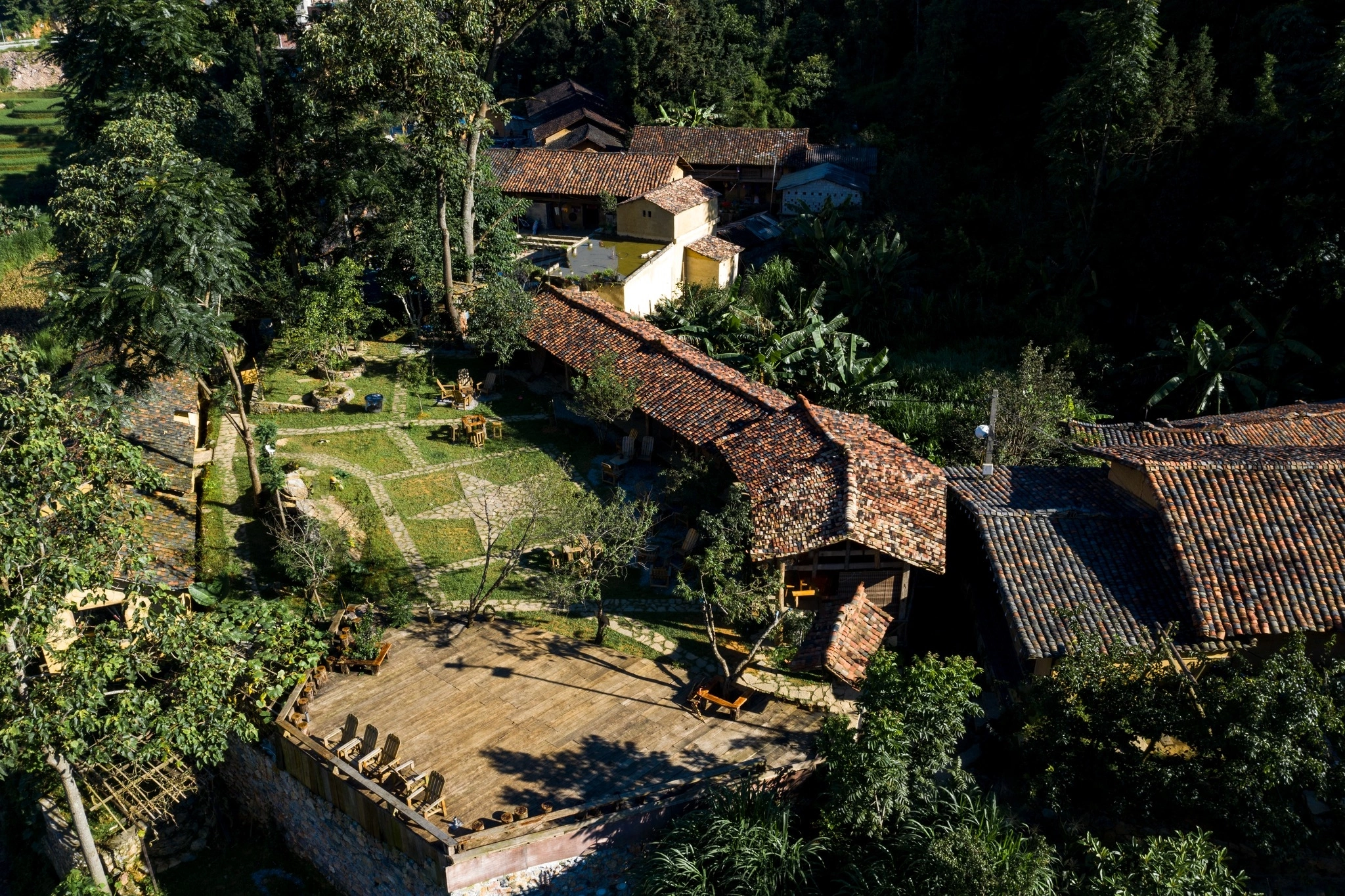
Lo Lo Chai and Then Pa: Two Unique Villages in Lung Cu, Ha Giang
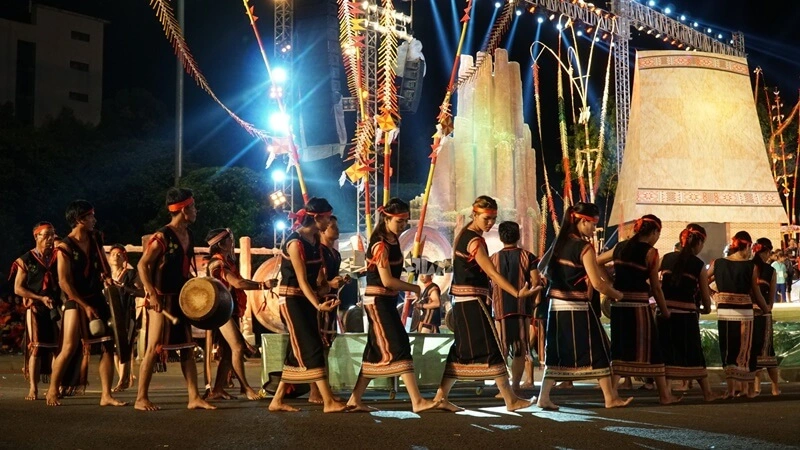
Tây Nguyên Gong Culture – UNESCO Intangible Heritage of the Highlands
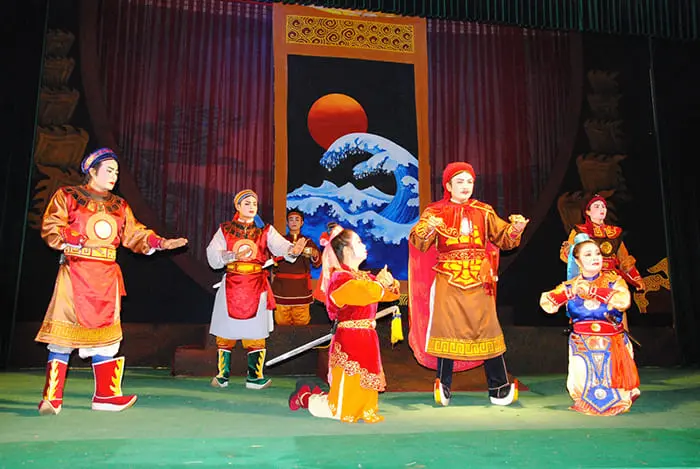
Vietnamese Opera – Vietnam’s Traditional Theater Art
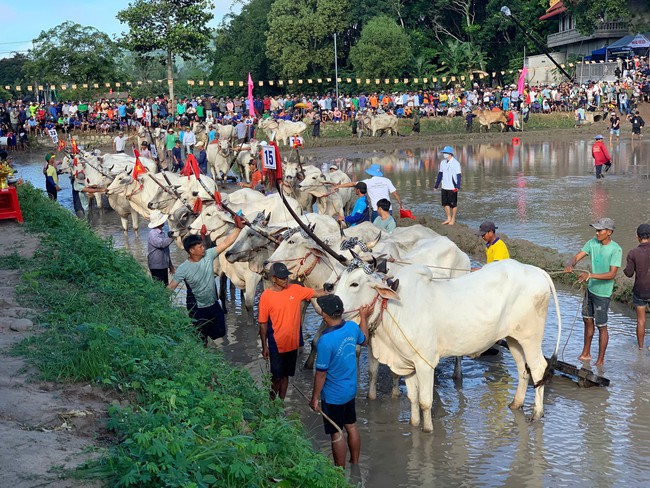
Buffalo Racing Festival: Where Sport Meets Khmer Culture in An Giang
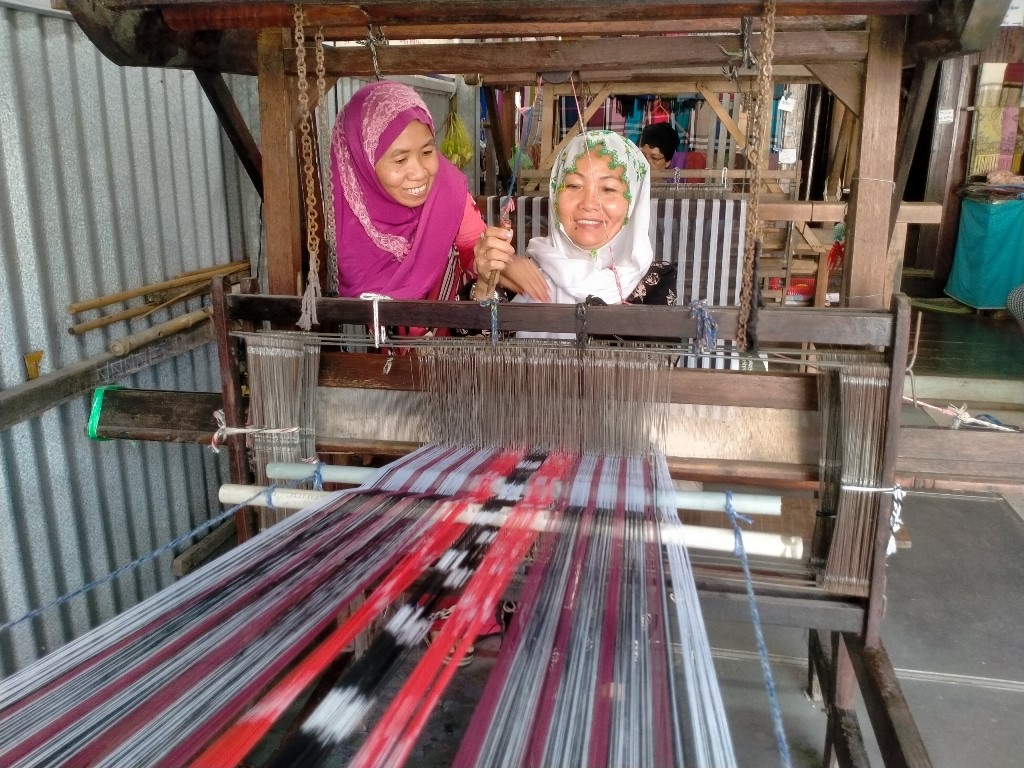
Chau Phong Village: Preserving the Art of Cham Brocade Weaving in An Giang
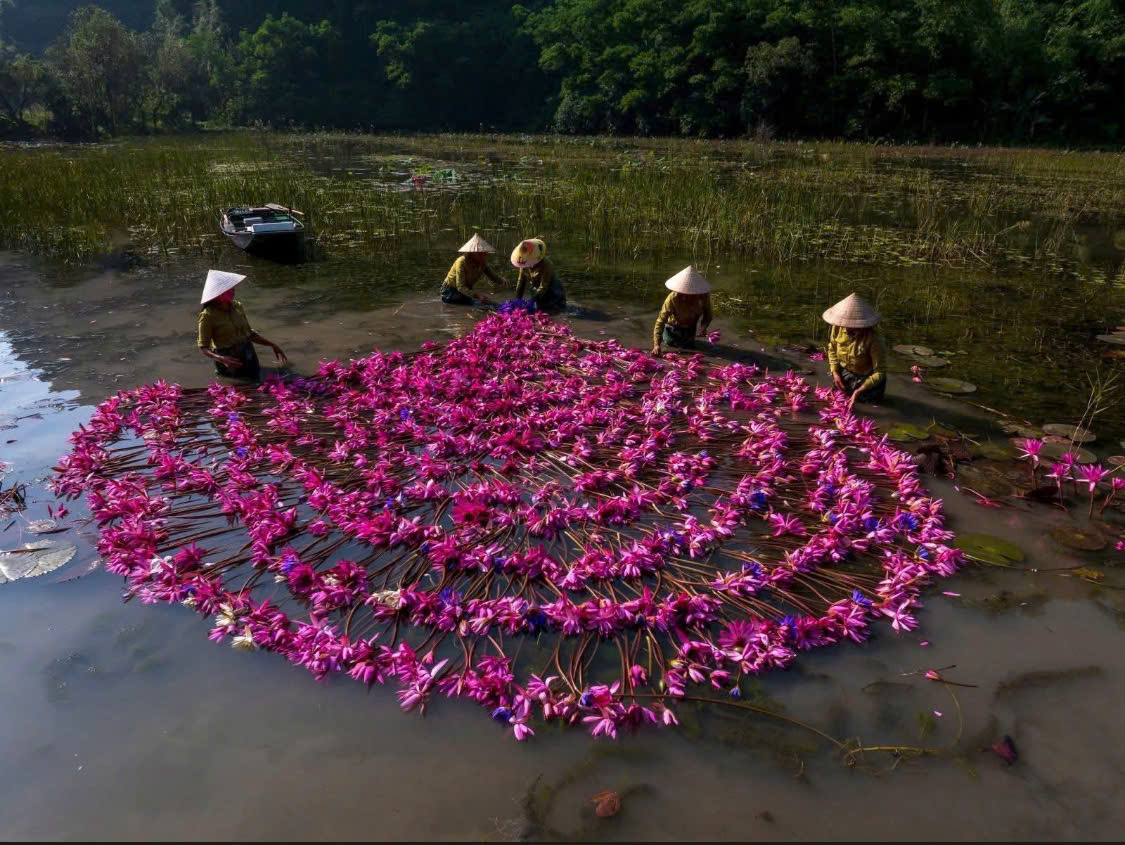
The Water Lily Season in Ninh Binh – Ngo Dong River Transforms into a Dreamy Purple Ribbon
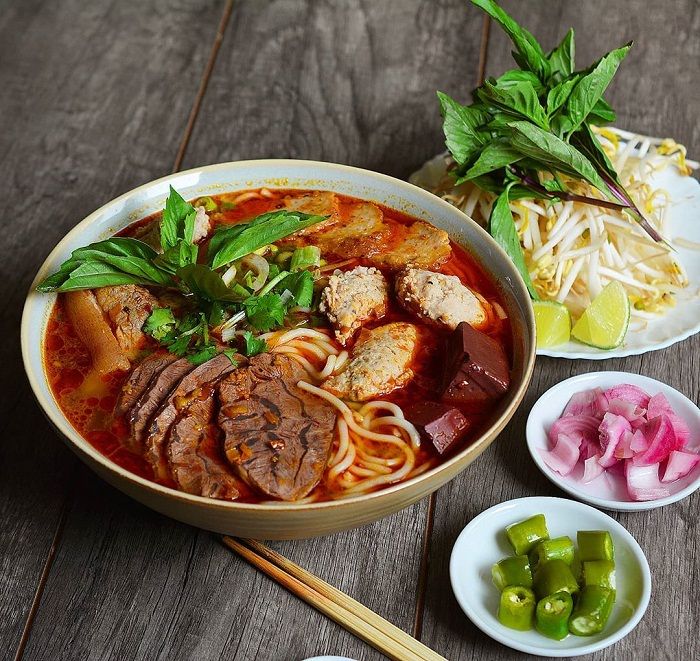
Bun Bo Hue: The Legendary Heritage Behind Vietnam’s Spicy Noodle Soup
5 Vietnamese Snail Restaurants Recommended by Michelin
JW Marriott Phu Quoc Named One of Asia’s Top 5 Resorts

Ban Gioc Waterfall – The Biggest Waterfall in Vietnam

Bai Dinh Pagoda – The Majestic Beauty of A Pure Place

Ha Long Bay – Things you need to know

Hanoi Old Quarter – Things you need to know
Hoi An Ancient Town – World Cultural Heritage
Ninh Binh – Maybe you don’t want to miss this majestic place

A city in the midst of the fog – Sapa

Ha Giang