


Tây Nguyên Gong Culture – UNESCO Intangible Heritage of the Highlands


The gong culture of the Central Highlands has been officially recognized by UNESCO as an Intangible Cultural Heritage of Humanity, becoming the second Vietnamese heritage after the Hue Court Music to receive global recognition.
Spanning five provinces – Kon Tum, Gia Lai, Đắk Lắk, Đắk Nông, and Lâm Đồng – this rich cultural tradition belongs to the indigenous ethnic groups of the highlands, including the Bana, Xêđăng, Mnông, Cơho, Rơmăm, Êđê, and Giarai peoples. For these communities, gongs are deeply woven into daily life, serving as a spiritual and emotional voice to express joy, sorrow, and communal experiences.
Origins and History
Gong culture traces back to ancient times, possibly evolving from stone instruments before the Bronze Age. Early communities used stone gongs and bamboo instruments, later advancing to bronze gongs. Historically, gongs marked seasonal cycles like rice harvests and were closely tied to religious rituals, acting as a bridge between humans and the supernatural.
The sound of the gongs is both profound and powerful, blending with nature – the rustling wind, flowing streams – creating a unique harmony that resonates with the soul of the highlands. From birth ceremonies to funerals, harvest festivals, and communal rituals, the gong has always played a central role, connecting generations.
Spiritual Significance
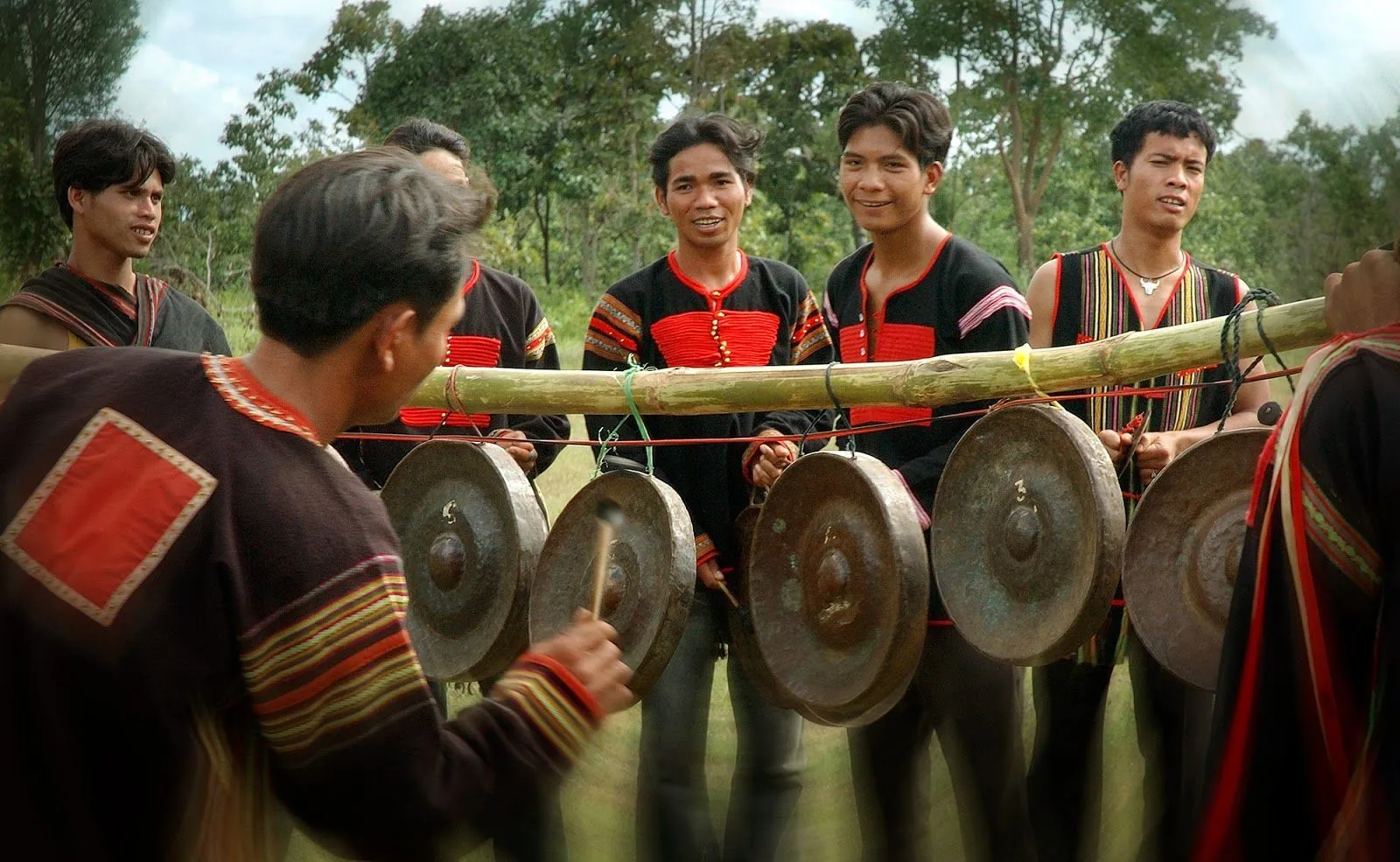
Among the highland people, each gong carries the essence of a guardian spirit. Older gongs are believed to hold stronger spiritual power. Gongs are treasured possessions, symbolizing status, wealth, and authority. Historically, a single gong could be worth two elephants or twenty buffaloes.
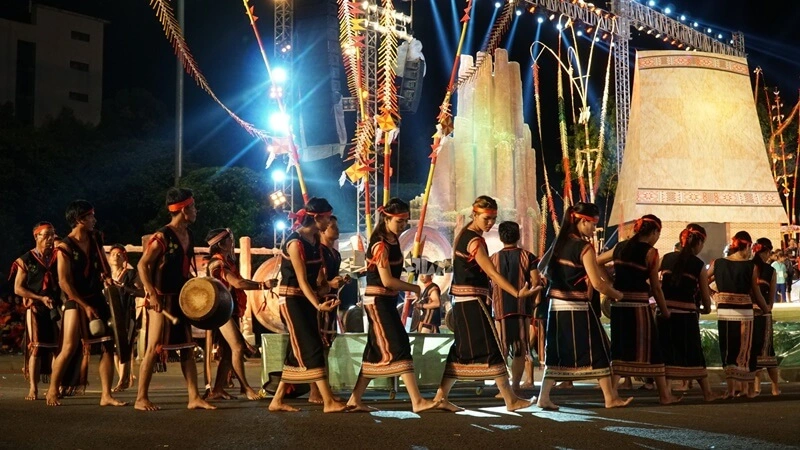
During festivals, people form circles, dancing around sacred fires and sharing communal rice wine, while the gongs’ resounding tones echo through the mountains – creating a magical, almost poetic atmosphere. The gongs inspire epic songs and folklore, blending romanticism with grandeur, and reflect the cultural soul of the highlands.
Music and Craftsmanship
The art of playing gongs demonstrates exceptional skill and craftsmanship. From tuning the gongs to arranging them into orchestras, performers – often without formal training – can produce highly complex and harmonious music. A gong ensemble may include anywhere from 2 to 20 gongs, each player responsible for a single instrument.
The gongs are classified as:
-
Gongs with knobs (cồng) – struck to produce melody
-
Flat gongs (chiêng) – without knobs, adding rhythmic layers
Each ensemble functions like an orchestra, capable of producing polyphonic music with intricate harmonies. The melodies reflect everyday life, rituals, hunting, farming, and festival celebrations, capturing the spirit and rhythm of the highland communities.
Cultural Importance
Gong music is more than just an art form; it is a spiritual language, a living record of highland life. Each ethnic group has its unique style, and the music continues to be a vibrant and essential part of their identity. Listening to gongs evokes landscapes, traditions, and the heart of highland life itself.
The gong culture is a treasured heritage, representing the unity of nature, humanity, and spirituality. Its rhythms, melodies, and ceremonies continue to enchant audiences, preserving the soul of the Central Highlands for generations to come.
images: collected
Plan Your Trip with TripAsean Tours
👉 Contact TripAsean Tours: For customized trip planning, hotel recommendations, and expert travel tips.
-
-
-
-
-
- 📞 Hotline: +84 961 518 918
- 🌐 Website: www.tripasean.com
- 📧 Email: info@tripasean.com
- 📝Let me know your request: Fill out the form here
-
-
-
-
Related Posts

Mui Ne Jeep Tour: Ride Through Vietnam’s Mini Desert at Bau Trang
Dalat Cherry Blossom Season 2026 | Wild Himalayan Blossoms
Ancient Xoan Singing in Phu Tho – A Unique Cultural Tourism Experience
Lo Lo Chai and Then Pa: Two Unique Villages in Lung Cu, Ha Giang
Vietnamese Opera – Vietnam’s Traditional Theater Art
Buffalo Racing Festival: Where Sport Meets Khmer Culture in An Giang
Chau Phong Village: Preserving the Art of Cham Brocade Weaving in An Giang
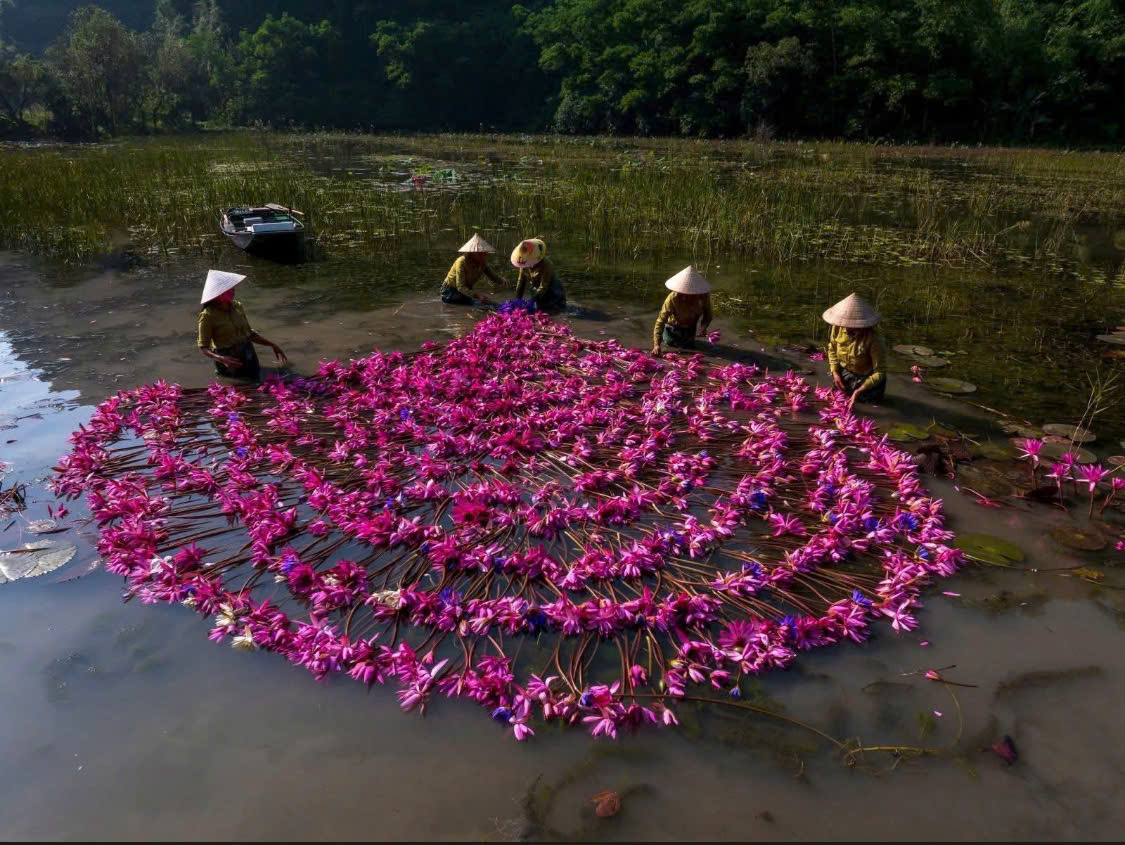
The Water Lily Season in Ninh Binh – Ngo Dong River Transforms into a Dreamy Purple Ribbon
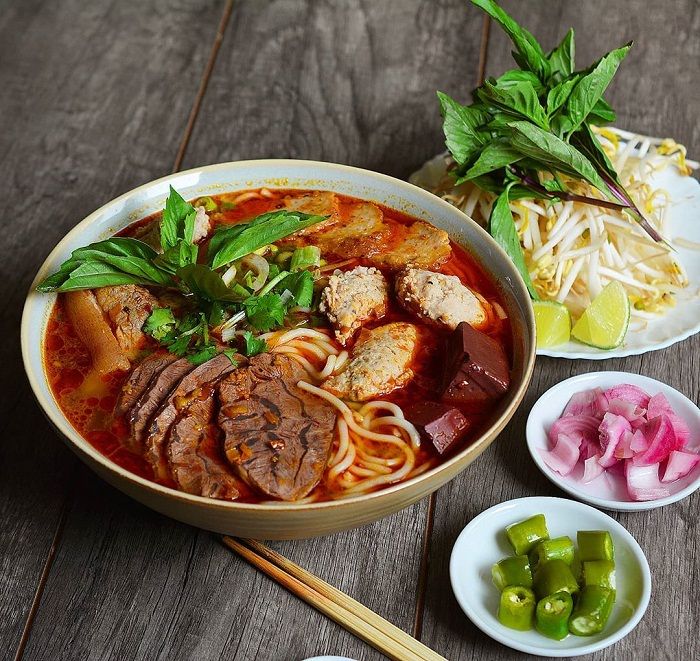
Bun Bo Hue: The Legendary Heritage Behind Vietnam’s Spicy Noodle Soup
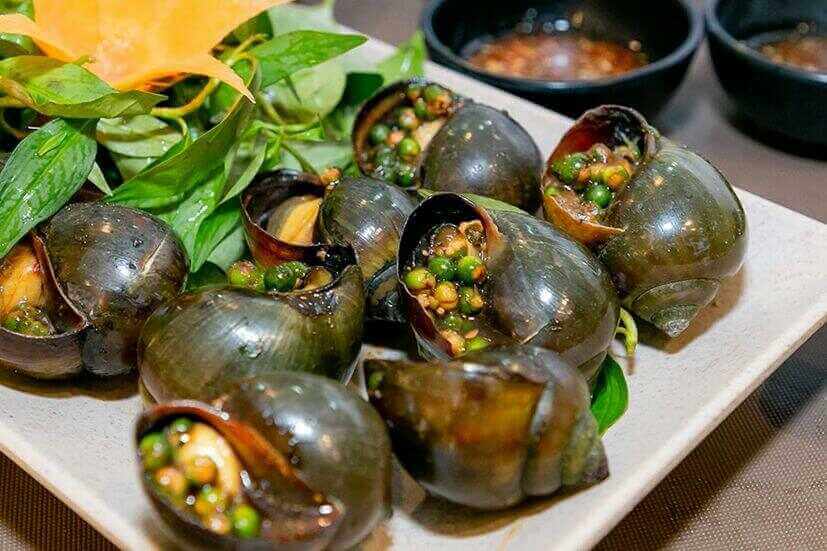
5 Vietnamese Snail Restaurants Recommended by Michelin
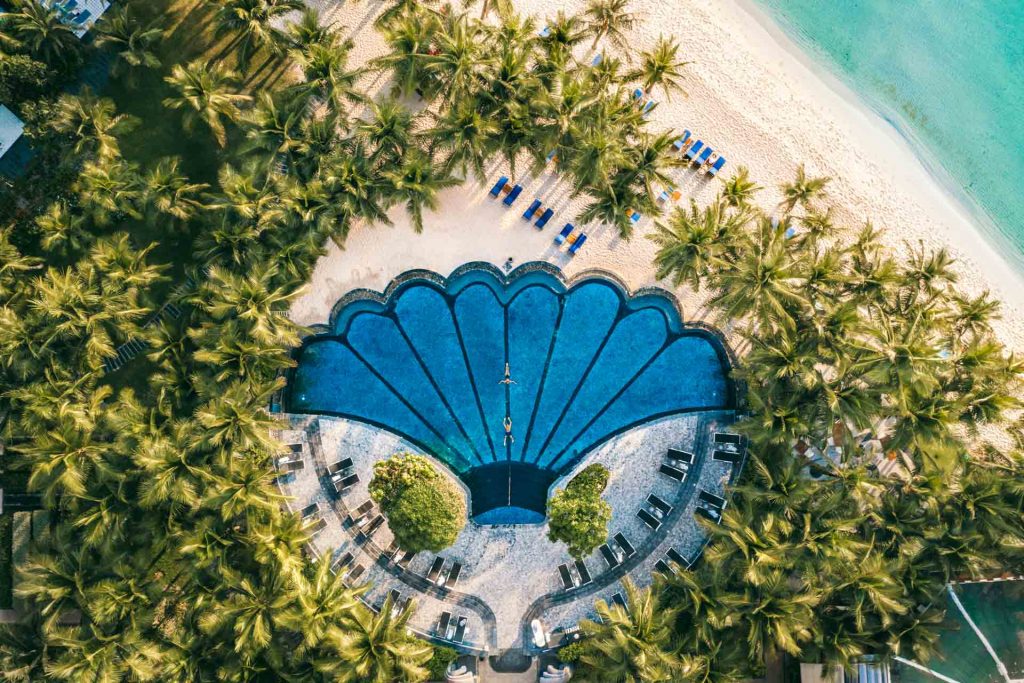
JW Marriott Phu Quoc Named One of Asia’s Top 5 Resorts
Dong Cuu Embroidery Village – The Timeless Art of Imperial Robe Embroidery in Hanoi

Ban Gioc Waterfall – The Biggest Waterfall in Vietnam

Bai Dinh Pagoda – The Majestic Beauty of A Pure Place
Ha Long Bay – Things you need to know

Hanoi Old Quarter – Things you need to know
Hoi An Ancient Town – World Cultural Heritage
Ninh Binh – Maybe you don’t want to miss this majestic place

A city in the midst of the fog – Sapa
Ha Giang