


Ly Thai To and the Historic Move of Vietnam’s Capital to Thang Long


Introduction
Ly Thai To, born Ly Cong Uan in 974, was the founder of the Ly Dynasty and ruled Dai Viet from 1009 to 1028. One of his most significant decisions was relocating the capital from Hoa Lu (modern-day Ninh Binh) to Dai La, renaming it Thang Long — now known as Hanoi, the capital of Vietnam. This move had profound political, economic, and cultural impacts that shaped Vietnamese history.
Why Ly Thai To Moved the Capital
Hoa Lu, surrounded by mountains, was strategically defensible but limited in terms of development. Ly Thai To recognized the need for a more central, fertile, and accessible location for governance and trade.
In his famous document, Chieu doi do (Edict on the Relocation of the Capital), he wrote:
“The Dai La Citadel is in the center of the country, between East and West, North and South. The land is vast, flat, elevated, and bright… among all places in Viet, this is the best.”
This decision reflects his vision for a long-lasting and prosperous nation.
The Symbolism of Thang Long
When Ly Thai To arrived at Dai La, a golden dragon was said to have appeared in the sky — a symbol of prosperity. Inspired by this omen, he renamed the city Thang Long, which means “Rising Dragon”.
This symbolic gesture reinforced the legitimacy of his dynasty and inspired pride and unity among the people.
Ly Thai To Statue at Hoan Kiem Lake
Today, visitors to Hanoi can see a statue of Ly Thai To at Hoan Kiem Lake, one of the city’s most iconic landmarks. The statue depicts the emperor holding the Chieu Doi Do (Edict on the Relocation of the Capital), symbolizing his visionary leadership and the historic decision to move the capital from Hoa Lu to Dai La, renamed Thang Long.
The statue serves as a living reminder of Hanoi’s origins, connecting modern-day city life with its rich historical past. Both locals and tourists visit the statue to honor Ly Thai To’s legacy and reflect on the cultural and political significance of his decision more than 1,000 years ago.

The Lasting Impact of the Capital Move
The relocation transformed Thang Long into a political, economic, and cultural hub. Over centuries, it remained Vietnam’s capital, preserving historical values and cultural heritage from the Ly Dynasty. Today, Hanoi continues to honor this legacy, blending ancient traditions with modern growth.
Conclusion
Ly Thai To’s decision to move the capital was both strategic and visionary. It ensured better governance, economic growth, and laid the foundation for the vibrant city of Hanoi that stands today. The story of Thang Long, the “Rising Dragon,” continues to inspire pride in Vietnamese history and culture.
images: collected
Plan Your Trip with TripAsean Tours
👉 Contact TripAsean Tours: For customized trip planning, hotel recommendations, and expert travel tips.
-
-
-
-
-
-
- 📞 Hotline: +84 961 518 918
- 🌐 Website: www.tripasean.com
- 📧 Email: info@tripasean.com
- 📝Let me know your request: Fill out the form here
-
-
-
-
-
Related Posts

Mui Ne Jeep Tour: Ride Through Vietnam’s Mini Desert at Bau Trang
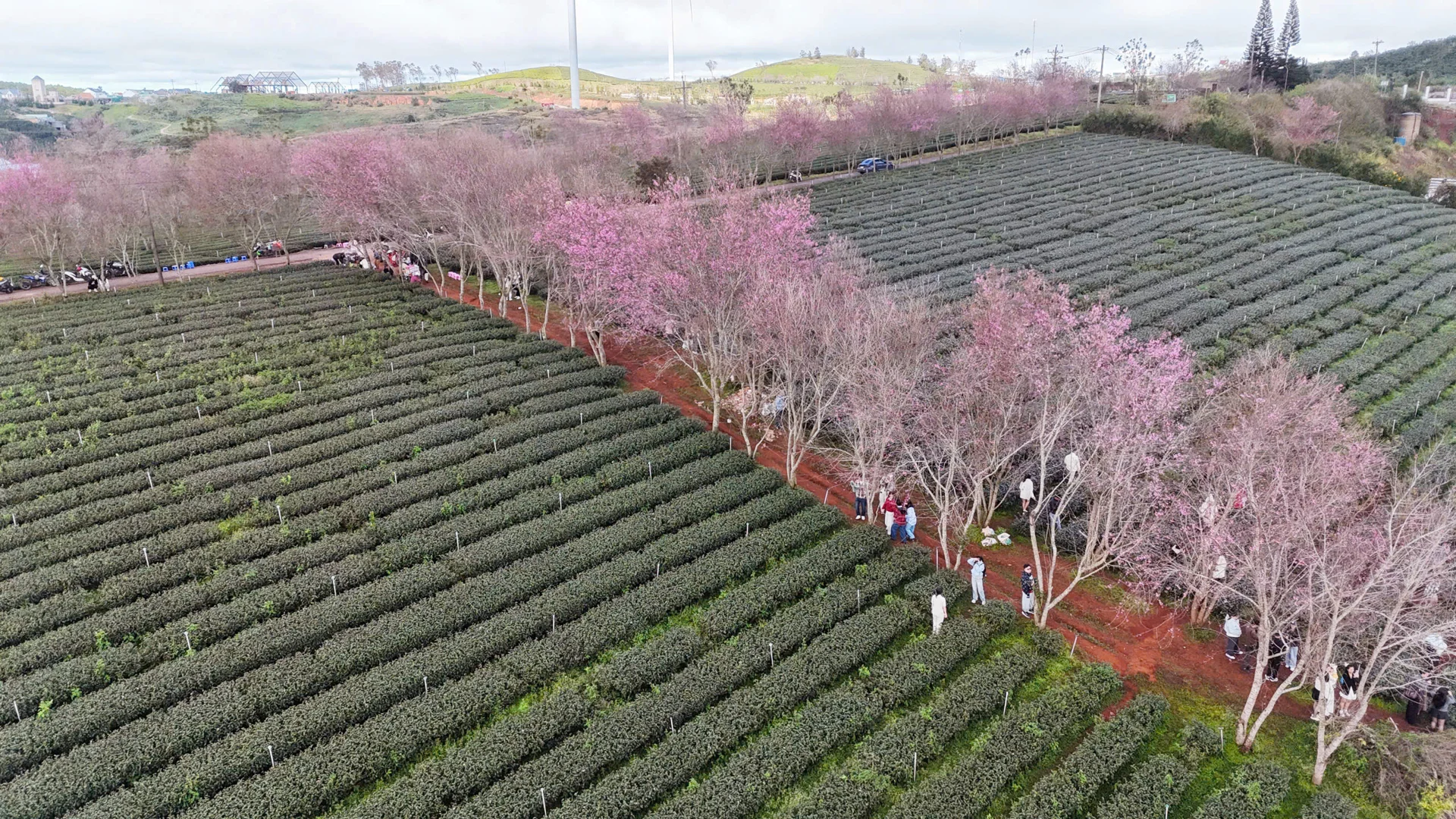
Dalat Cherry Blossom Season 2026 | Wild Himalayan Blossoms
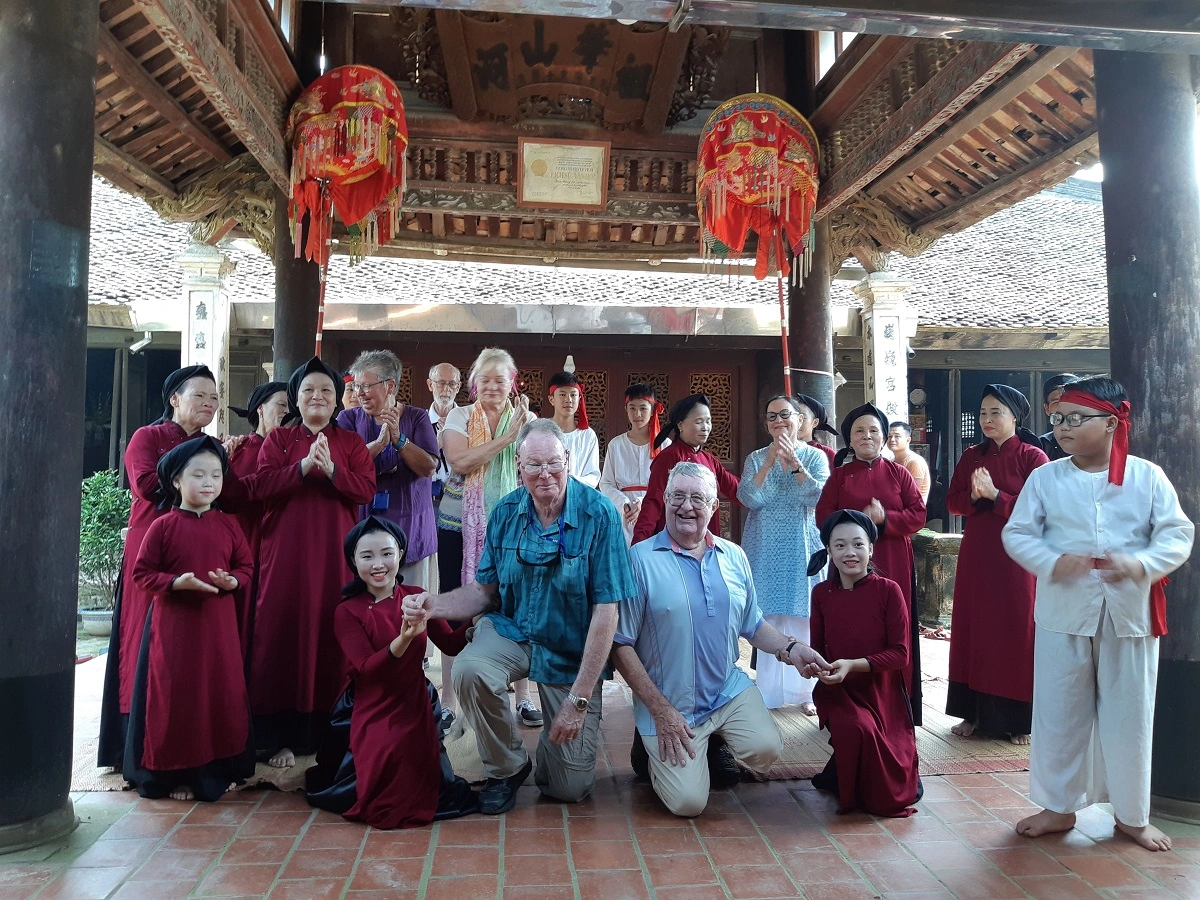
Ancient Xoan Singing in Phu Tho – A Unique Cultural Tourism Experience
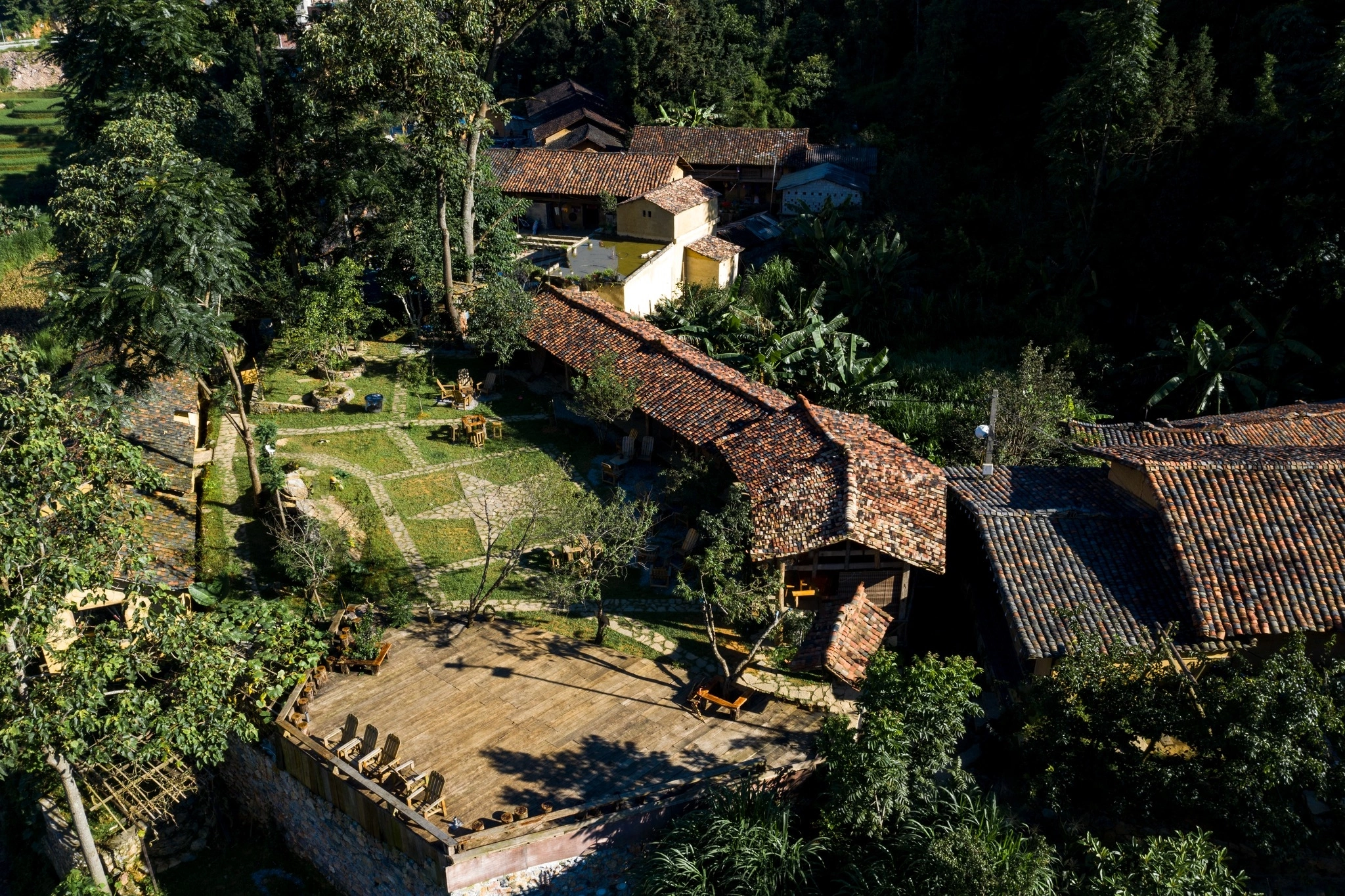
Lo Lo Chai and Then Pa: Two Unique Villages in Lung Cu, Ha Giang
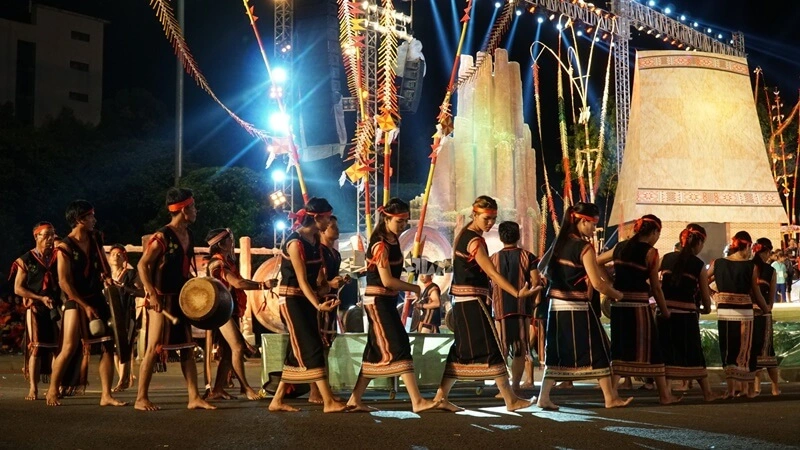
Tây Nguyên Gong Culture – UNESCO Intangible Heritage of the Highlands

Vietnamese Opera – Vietnam’s Traditional Theater Art
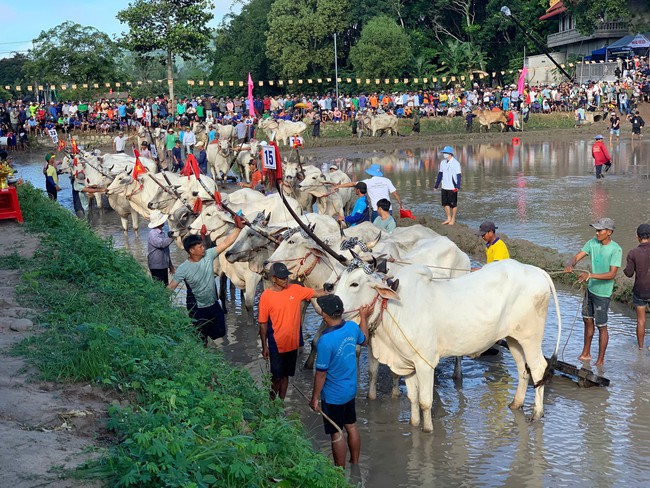
Buffalo Racing Festival: Where Sport Meets Khmer Culture in An Giang
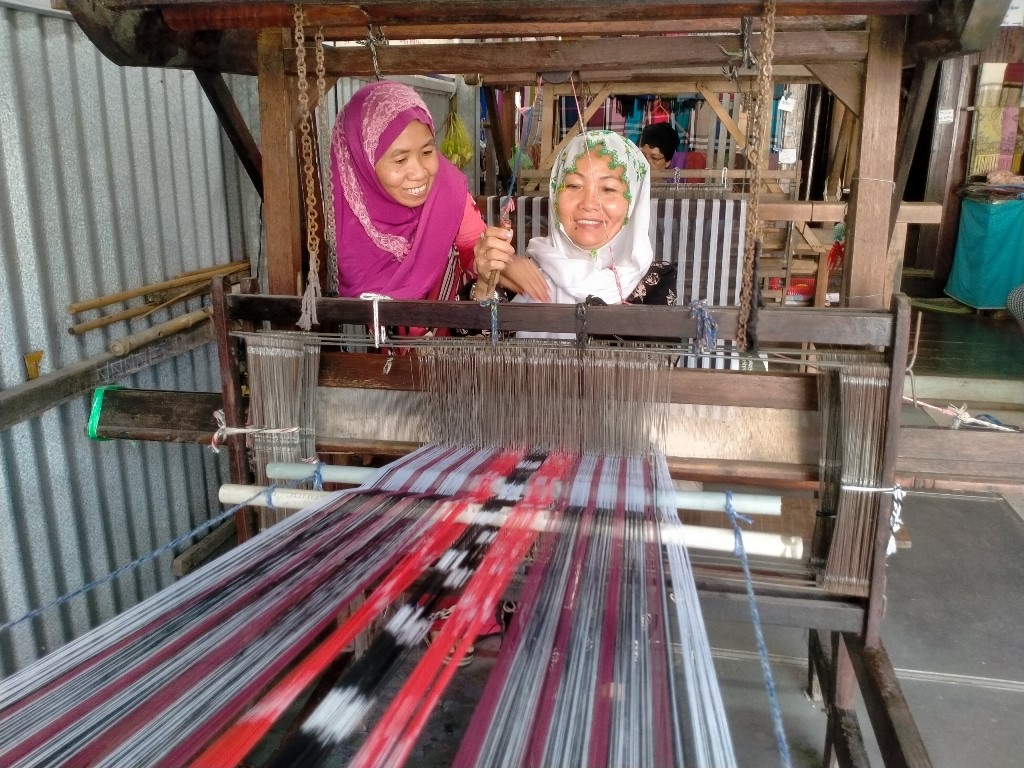
Chau Phong Village: Preserving the Art of Cham Brocade Weaving in An Giang
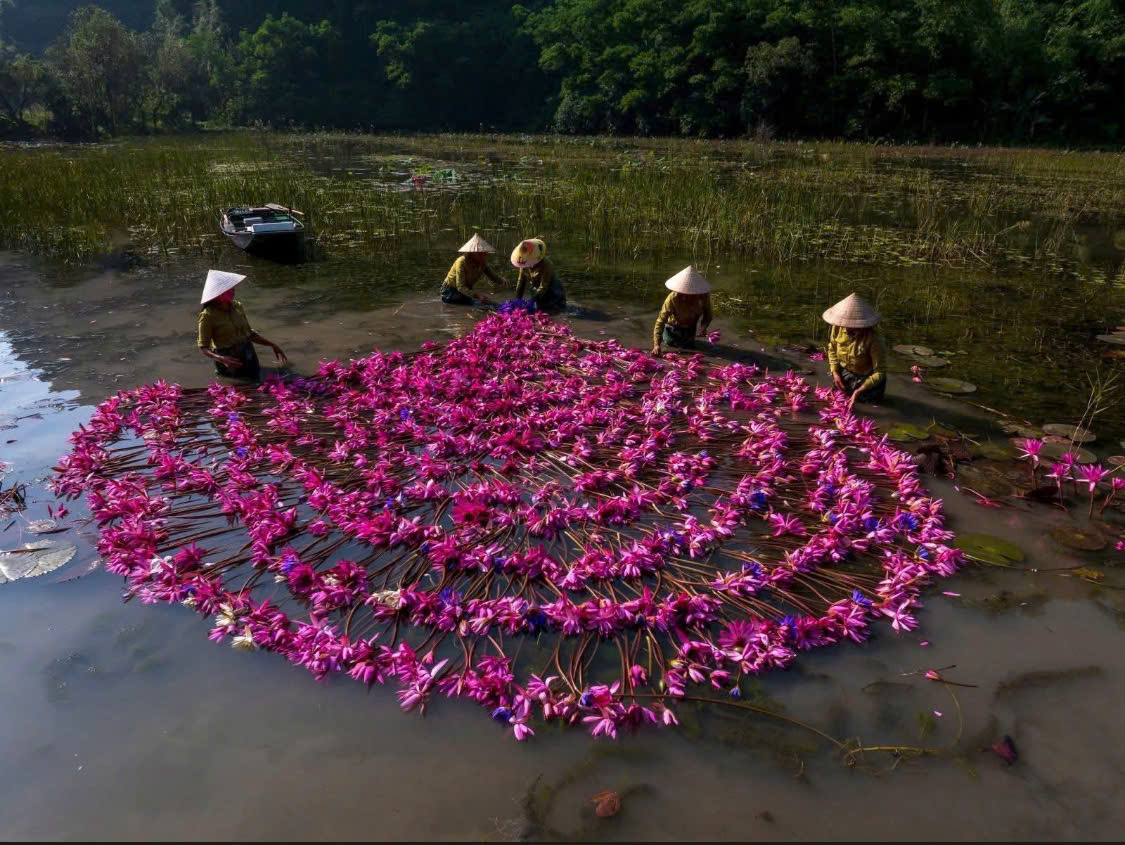
The Water Lily Season in Ninh Binh – Ngo Dong River Transforms into a Dreamy Purple Ribbon
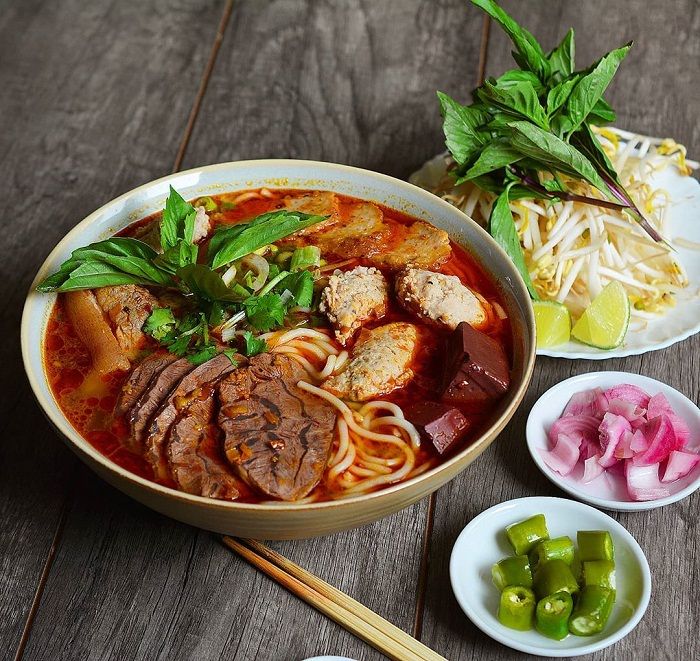
Bun Bo Hue: The Legendary Heritage Behind Vietnam’s Spicy Noodle Soup

5 Vietnamese Snail Restaurants Recommended by Michelin
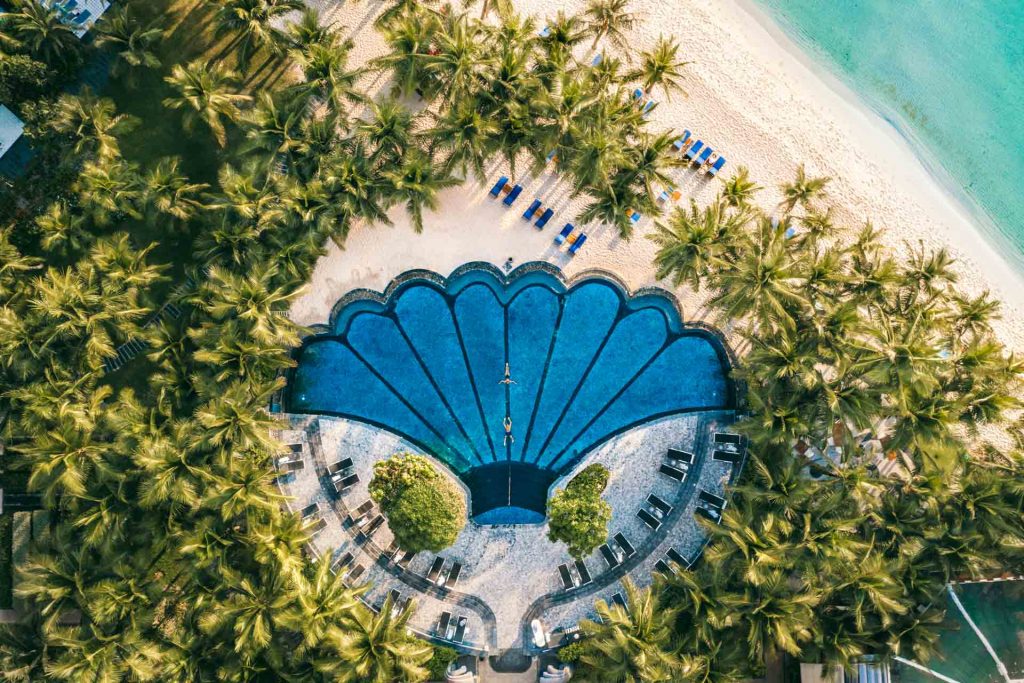
JW Marriott Phu Quoc Named One of Asia’s Top 5 Resorts

Ban Gioc Waterfall – The Biggest Waterfall in Vietnam

Bai Dinh Pagoda – The Majestic Beauty of A Pure Place
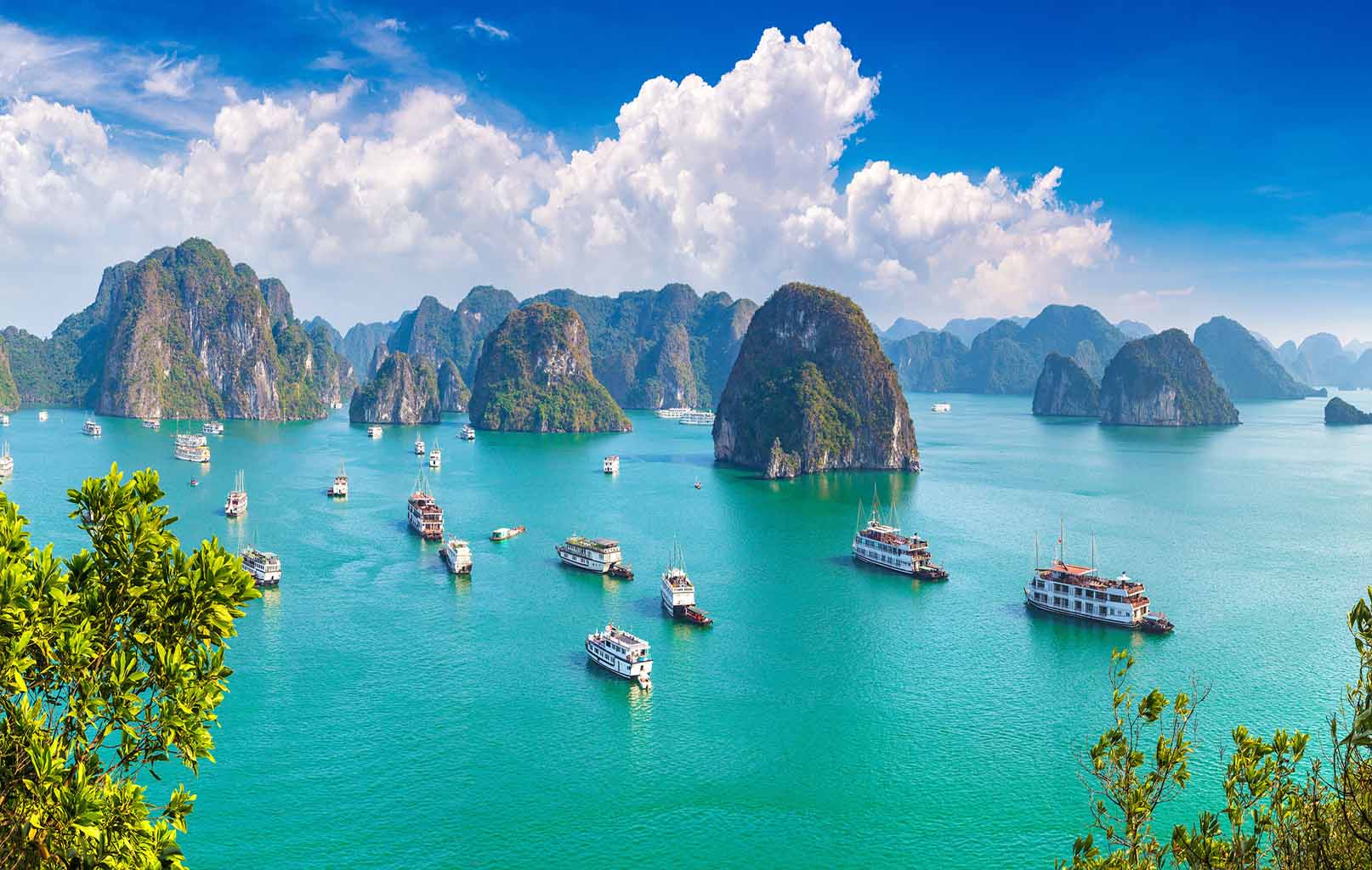
Ha Long Bay – Things you need to know

Hanoi Old Quarter – Things you need to know
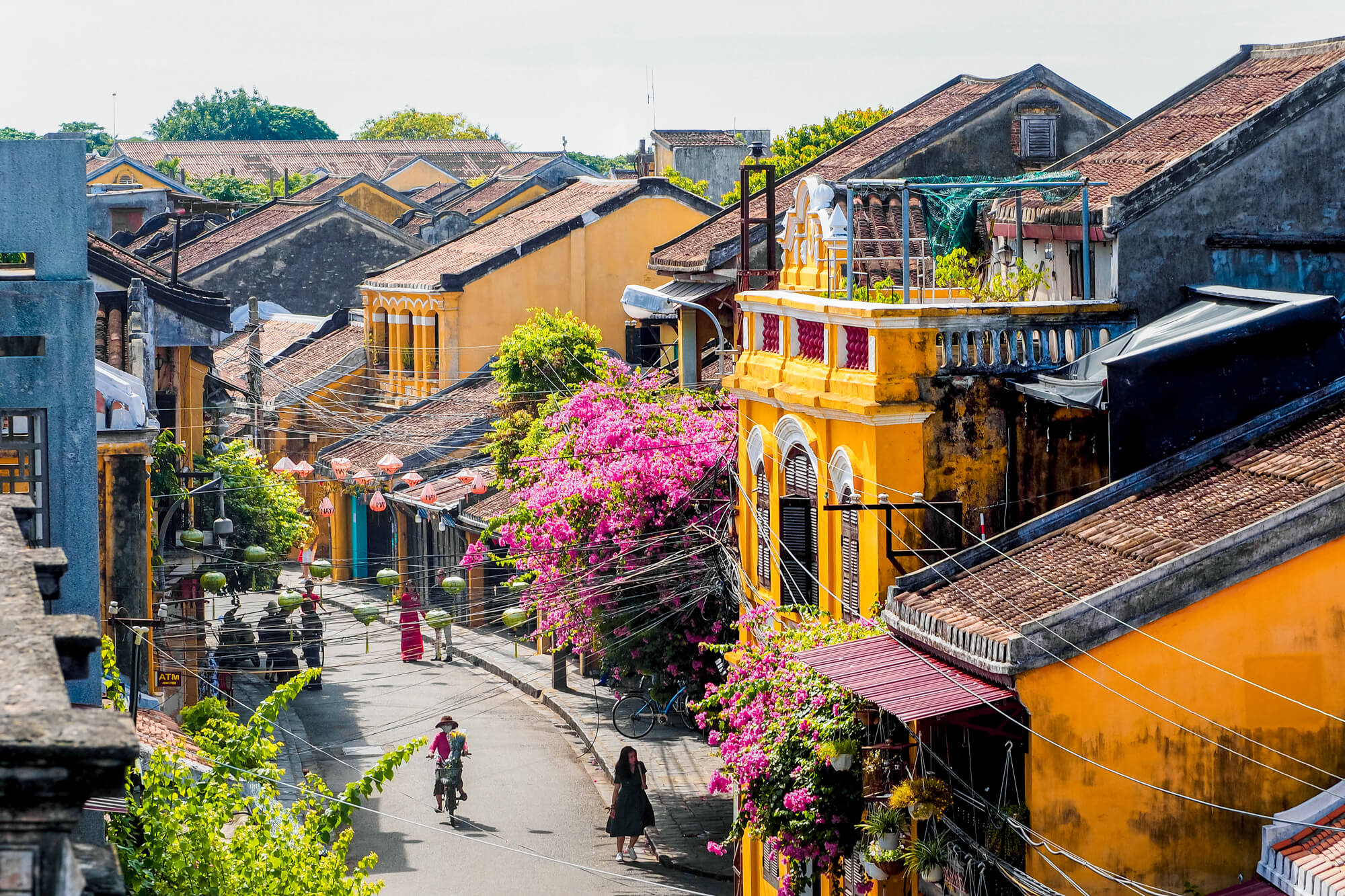
Hoi An Ancient Town – World Cultural Heritage
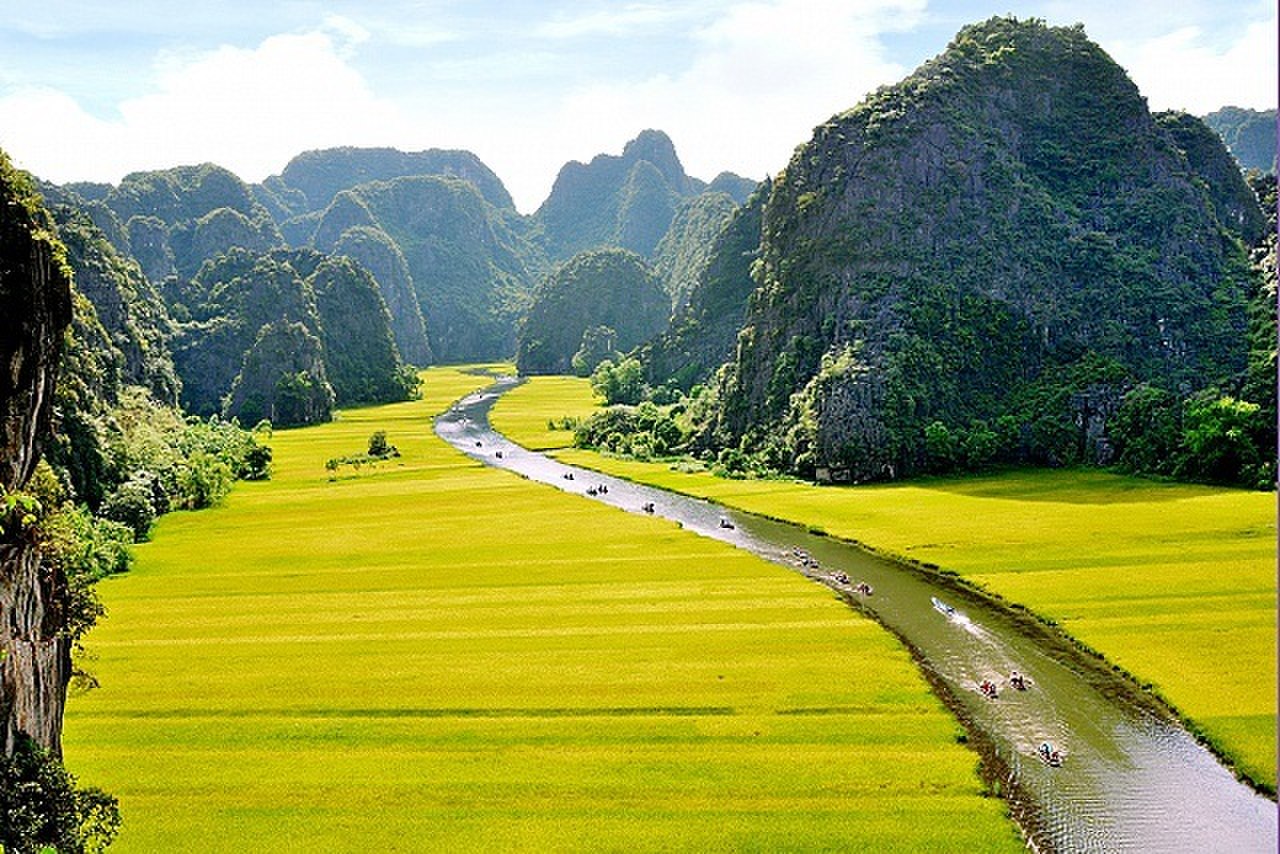
Ninh Binh – Maybe you don’t want to miss this majestic place

A city in the midst of the fog – Sapa

Ha Giang