


The Unique Art of Wax Painting on Linen by the Hmong People


Discovering Hmong Culture in Pà Cò
Nestled over 1,200 meters above sea level, Pà Cò Commune in Phú Thọ Province is not only known for its cool, fresh climate and stunning natural scenery but also for its rich cultural heritage. One of the most unique traditions here is wax painting on linen fabric, a centuries-old craft that has been passed down through generations of the Hmong people.
This art form is more than just creating beautiful textiles – it’s a symbol of identity, pride, and creativity for the Hmong community.
The Process of Wax Painting on Linen
Creating a wax-painted linen cloth involves two main steps: drawing the patterns with wax and dyeing the fabric with indigo.
Preparing the Materials
The key materials include:
-
Linen fabric, woven from flax fibers, washed, and carefully smoothed with a comb.
-
Beeswax, in two types: yellow (young wax) and black (mature wax). These are melted and mixed to get the perfect consistency.
-
Tools, such as a small iron pan, a bamboo brush (7–10 cm long with a tip made from three copper triangles), and indigo dye.
Drawing the Patterns
The wax must be kept hot at 70–80°C while painting so it flows smoothly. The fabric is laid out on a flat board, with the completed section rolled up as work progresses.
Every brushstroke reflects skill, patience, and artistic creativity, producing patterns that often symbolize prosperity, happiness, and harmony with nature.
Dyeing and Finishing
Once the wax designs are complete, the fabric is dipped in indigo dye, which colors the exposed areas while leaving the waxed sections white. Finally, the cloth is boiled to remove the wax, revealing striking white patterns on a deep blue background. The result is a fabric that is both rustic and elegant.

The Cultural Significance of Wax Painting
Each pattern tells a story:
-
Geometric shapes symbolize strength and resilience.
-
Natural motifs like flowers, leaves, and animals reflect the connection between humans and nature.
-
Every cloth is a cultural expression, showing the creativity, values, and worldview of the Hmong people.
Wax painting on linen is not just an art form – it’s a living tradition that connects the past to the present.
Preserving This Traditional Craft
With growing community tourism in Pà Cò, the Hmong people are actively preserving and teaching this craft to younger generations. Visitors can watch artisans at work or even try painting their own designs, creating a truly immersive cultural experience.
Conclusion
The wax painting on linen of the Hmong people is a beautiful testament to creativity, patience, and cultural pride. In a fast-changing world, preserving this craft allows the Hmong to share their heritage and identity with visitors from around the globe.
images: collected
Plan Your Trip with TripAsean Tours
👉 Contact TripAsean Tours: For customized trip planning, hotel recommendations, and expert travel tips.
-
-
-
-
- 📞 Hotline: +84 961 518 918
- 🌐 Website: www.tripasean.com
- 📧 Email: info@tripasean.com
- 📝Let me know your request: Fill out the form here
-
-
-
Related Posts
Hanoi Tet Flower Markets & Spring Traditions
Ba Na Hills Spring 2026: Tulip Festival at Sun World
ASEAN Tourism Forum 2026 in Philippines
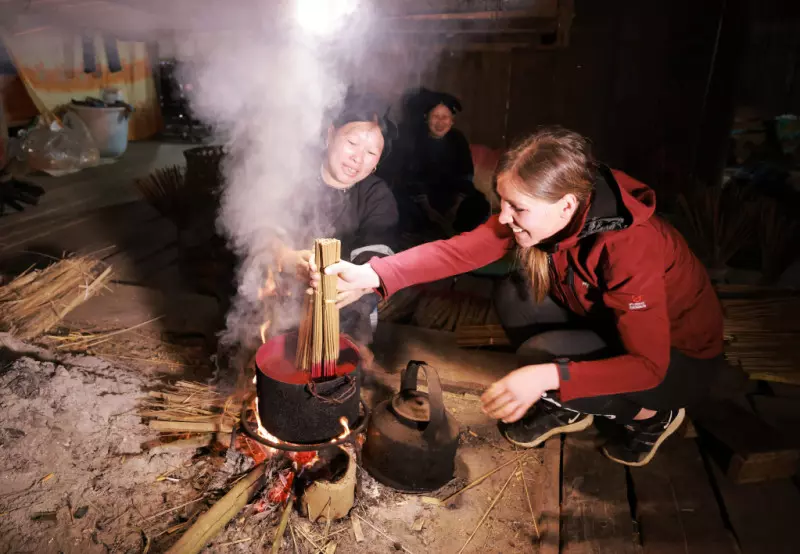
Non Nuoc Cao Bang Geopark in Winter
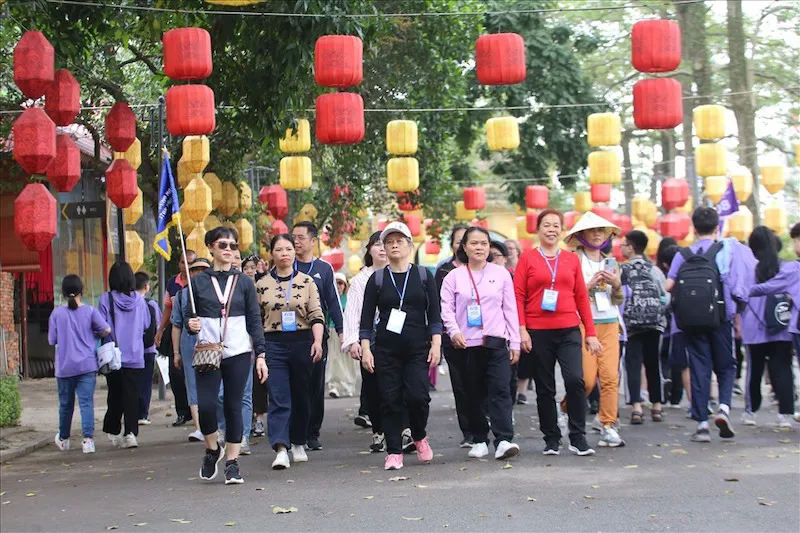
Chinese Tourists to Vietnam Drive Tourism Boom in 2025

India Fair 2026 Celebrates Vietnam–India Partnership
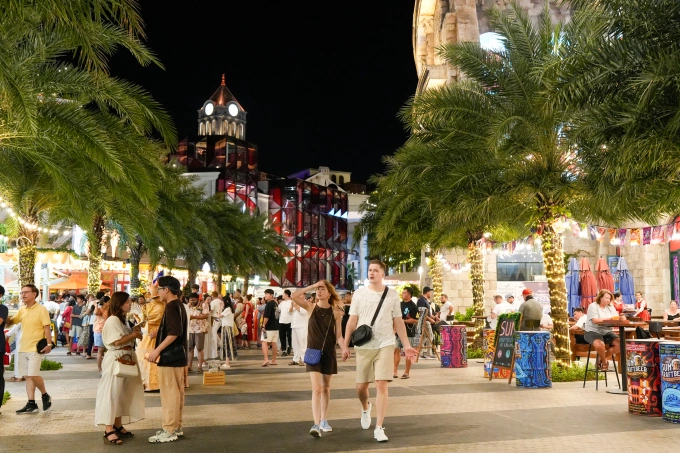
New York Times Names Vietnam a Rising Travel Destination for 2026

Phu Quy Island Among Top 10 Pristine Destinations in Southeast Asia 2026
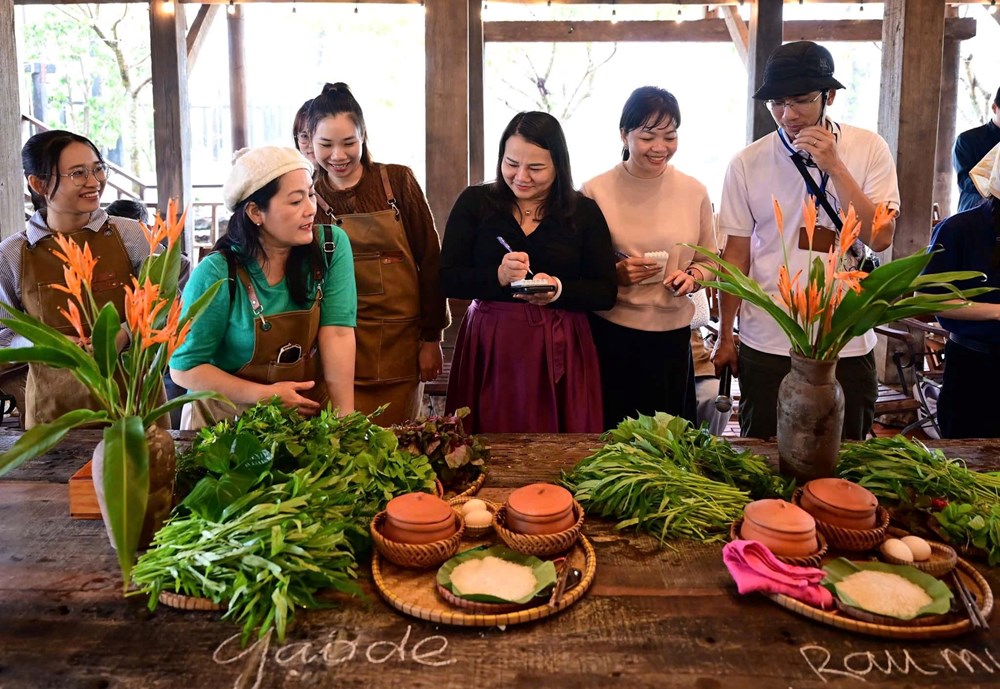
Rural Tourism in Hue: A Sustainable Development Model
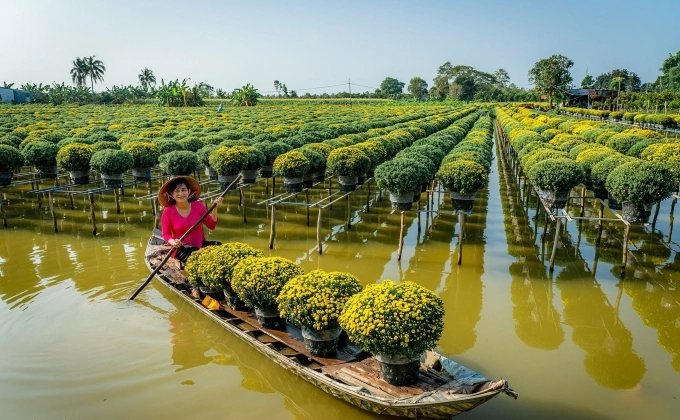
Sa Dec Flower Village | National Intangible Cultural Heritage of Vietnam
Hanoi Heritage Walking Tour | Touching Memories at Truc Bach
Vietnam’s First Pho Museum Opens in Ho Chi Minh City in 2026

Ban Gioc Waterfall – The Biggest Waterfall in Vietnam

Bai Dinh Pagoda – The Majestic Beauty of A Pure Place

Ha Long Bay – Things you need to know

Hanoi Old Quarter – Things you need to know
Hoi An Ancient Town – World Cultural Heritage

Ninh Binh – Maybe you don’t want to miss this majestic place

A city in the midst of the fog – Sapa

Ha Giang