

Dong Ho Folk Painting Recognized by UNESCO


Introduction
Dong Ho folk painting is one of the most important traditional art forms in Vietnam, a traditional craft from Bắc Ninh Province, has officially been inscribed by UNESCO as an Intangible Cultural Heritage in Need of Urgent Safeguarding. This recognition highlights not only the artistic value of the craft but also the urgent need to protect and preserve this endangered tradition.
What Is Dong Ho Folk Painting?
Dong Ho painting is a traditional Vietnamese folk art that originated in the Kinh Bắc region of the Red River Delta, now located in Thuận Thành, Bắc Ninh Province. For centuries, these paintings have reflected:
-
Daily rural life
-
Traditional customs
-
Beliefs and spiritual practices
-
Vietnamese philosophy of life
These artworks were historically popular during Lunar New Year and are a unique symbol of Vietnamese cultural identity.
UNESCO Recognition in New Delhi, India
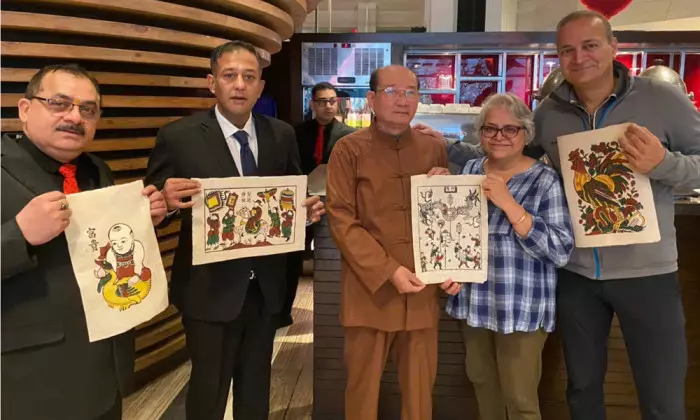
On December 9, during the 20th session of the Intergovernmental Committee for the Safeguarding of the Intangible Cultural Heritage, held in New Delhi, India, UNESCO officially inscribed the craft of making Dong Ho folk paintings on the List of Intangible Cultural Heritage in Need of Urgent Safeguarding.
This listing aims to mobilize international support and resources to help preserve this valuable cultural legacy.

Natural Materials Used in Dong Ho Folk Painting
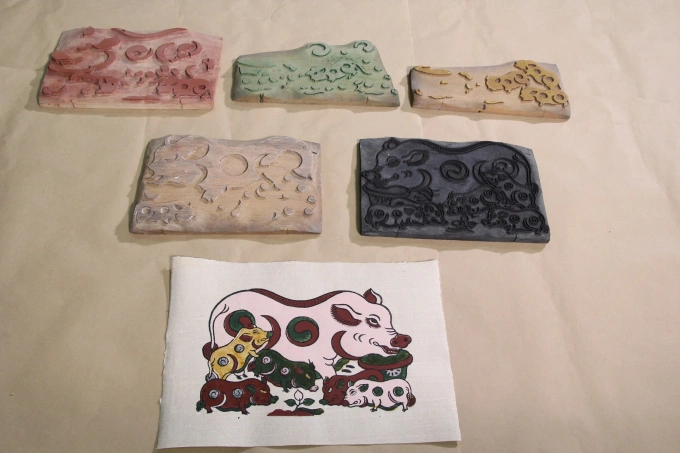
Dong Ho paintings are created using a traditional woodblock printing technique, passed down through generations.
Natural Materials Used
Artisans use completely natural materials:
-
Dó paper coated with shell powder (called diep paper)
-
Black pigment from burned bamboo leaves or straw
-
Blue color from fermented indigo leaves
-
Yellow from pagoda tree flowers or gardenia fruit
-
Red from finely ground cinnabar stone
-
White from seashell powder
These natural pigments are mixed with sticky rice paste to ensure durability and color longevity.
Main Themes of Dong Ho Paintings
Dong Ho paintings typically fall into five major themes:
-
Blessing and good fortune paintings
-
Historical paintings
-
Legendary and storytelling paintings
-
Worship and spiritual paintings
-
Daily life and genre scenes
These themes reflect the soul of Vietnamese rural culture.
How Dong Ho Folk Painting Is Made
The printing process follows a strict traditional order:
-
First print: Red
-
Second print: Blue
-
Third print: Yellow
-
Fourth print: White
-
Final print: Black (outline and details)
Each layer is carefully applied by hand using carved wooden blocks and natural sponges.
Why Dong Ho Painting Is at Risk
Despite its cultural importance, the craft faces serious challenges:
-
Declining number of skilled artisans
-
Younger generations choosing different careers
-
Limited raw material sources
-
Shrinking market demand
-
Competition from modern decorative products
This is why UNESCO classified it as heritage needing urgent safeguarding.
Modern Adaptations and Tourism Value
Today, Dong Ho art has expanded beyond traditional paper paintings into:
-
Wooden relief artworks
-
Decorative wall panels
-
Calendars and gift products
-
Cultural souvenirs for tourists
These adaptations help introduce Dong Ho art to modern lifestyles while maintaining traditional identity.
Conclusion
The UNESCO recognition of Dong Ho folk painting is both an honor and a wake-up call. Preserving this craft is not only about protecting a traditional art form but also about safeguarding the cultural soul of Vietnam for future generations.
images: collected
Plan Your Trip with TripAsean Tours
👉 Contact TripAsean Tours: For customized trip planning, hotel recommendations, and expert travel tips.
-
-
-
-
- 📞 Hotline: +84 961 518 918
- 🌐 Website: www.tripasean.com
- 📧 Email: info@tripasean.com
- 📝Let me know your request: Fill out the form here
-
-
-
Related Posts
Hanoi Tet Flower Markets & Spring Traditions
Ba Na Hills Spring 2026: Tulip Festival at Sun World
ASEAN Tourism Forum 2026 in Philippines
Non Nuoc Cao Bang Geopark in Winter
Chinese Tourists to Vietnam Drive Tourism Boom in 2025
India Fair 2026 Celebrates Vietnam–India Partnership
New York Times Names Vietnam a Rising Travel Destination for 2026
Phu Quy Island Among Top 10 Pristine Destinations in Southeast Asia 2026
Rural Tourism in Hue: A Sustainable Development Model
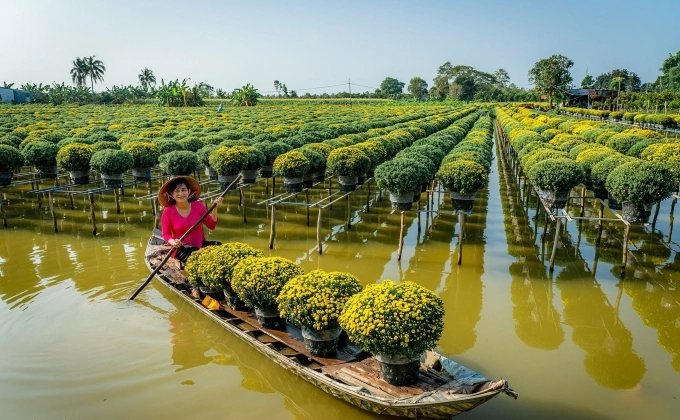
Sa Dec Flower Village | National Intangible Cultural Heritage of Vietnam
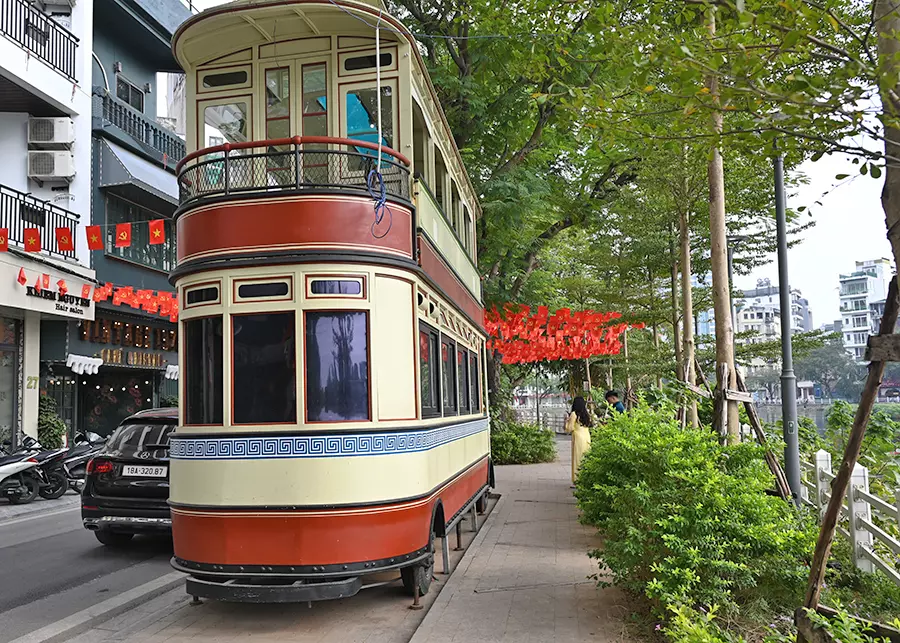
Hanoi Heritage Walking Tour | Touching Memories at Truc Bach
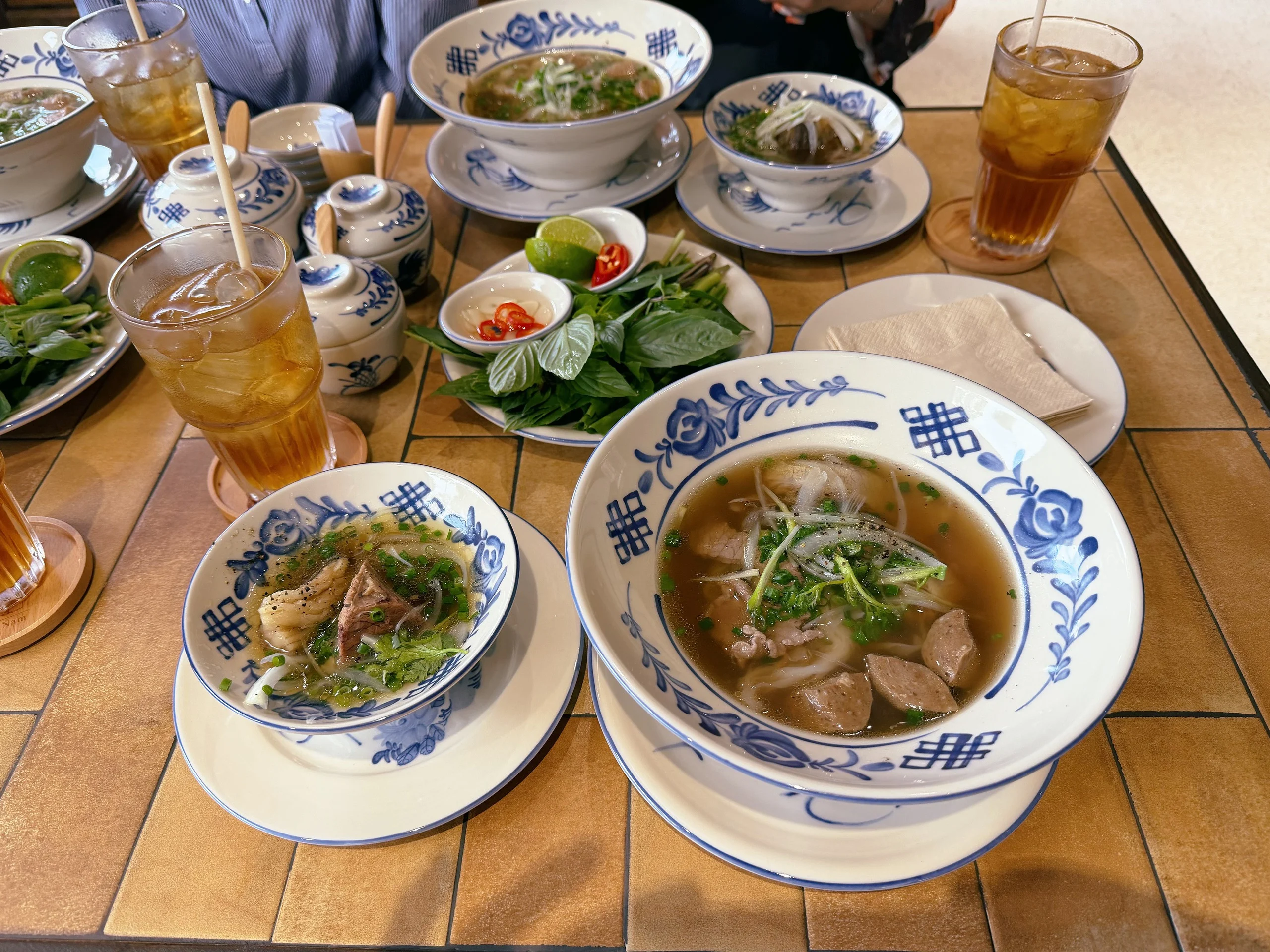
Vietnam’s First Pho Museum Opens in Ho Chi Minh City in 2026

Ban Gioc Waterfall – The Biggest Waterfall in Vietnam

Bai Dinh Pagoda – The Majestic Beauty of A Pure Place
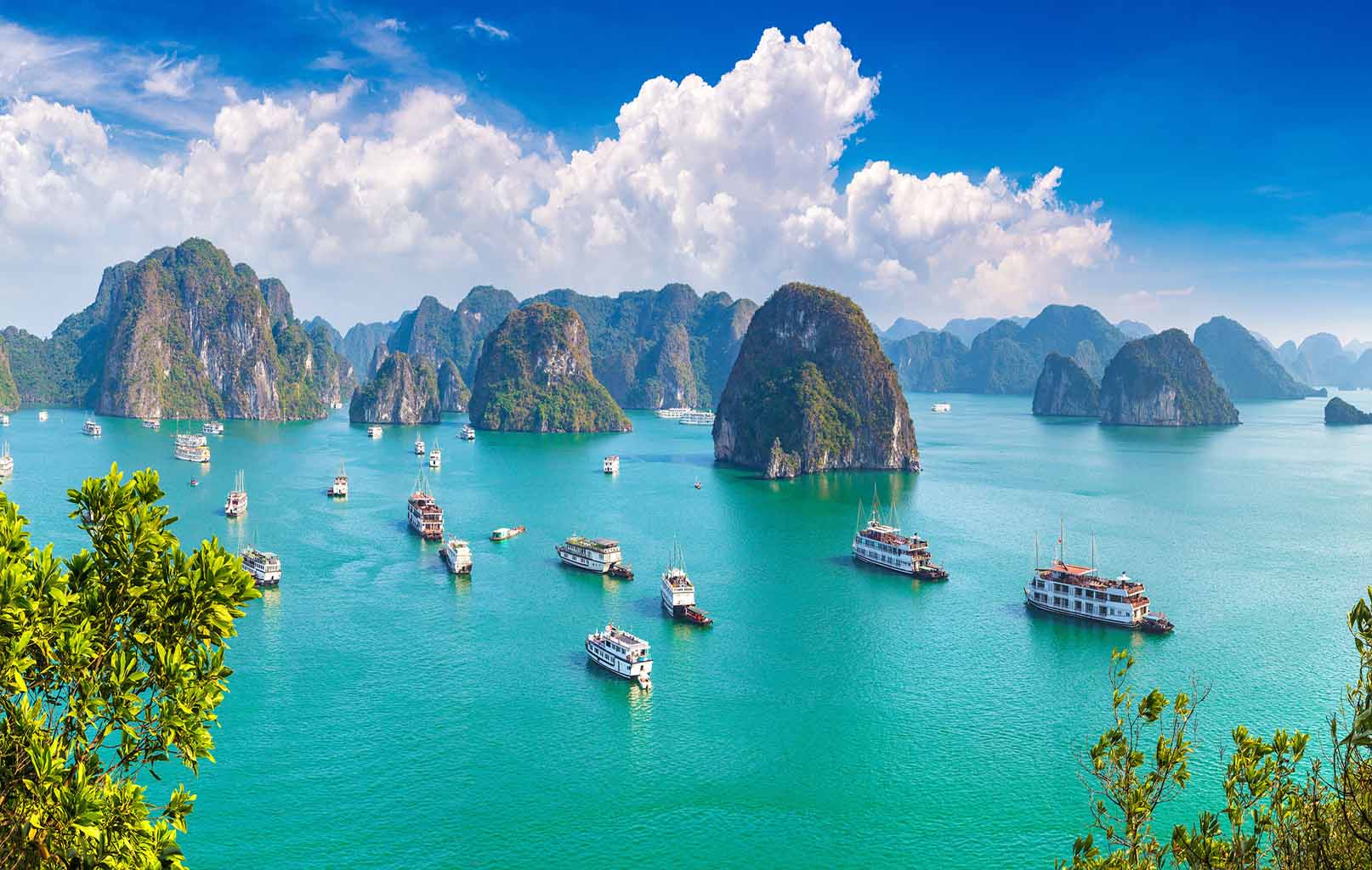
Ha Long Bay – Things you need to know

Hanoi Old Quarter – Things you need to know
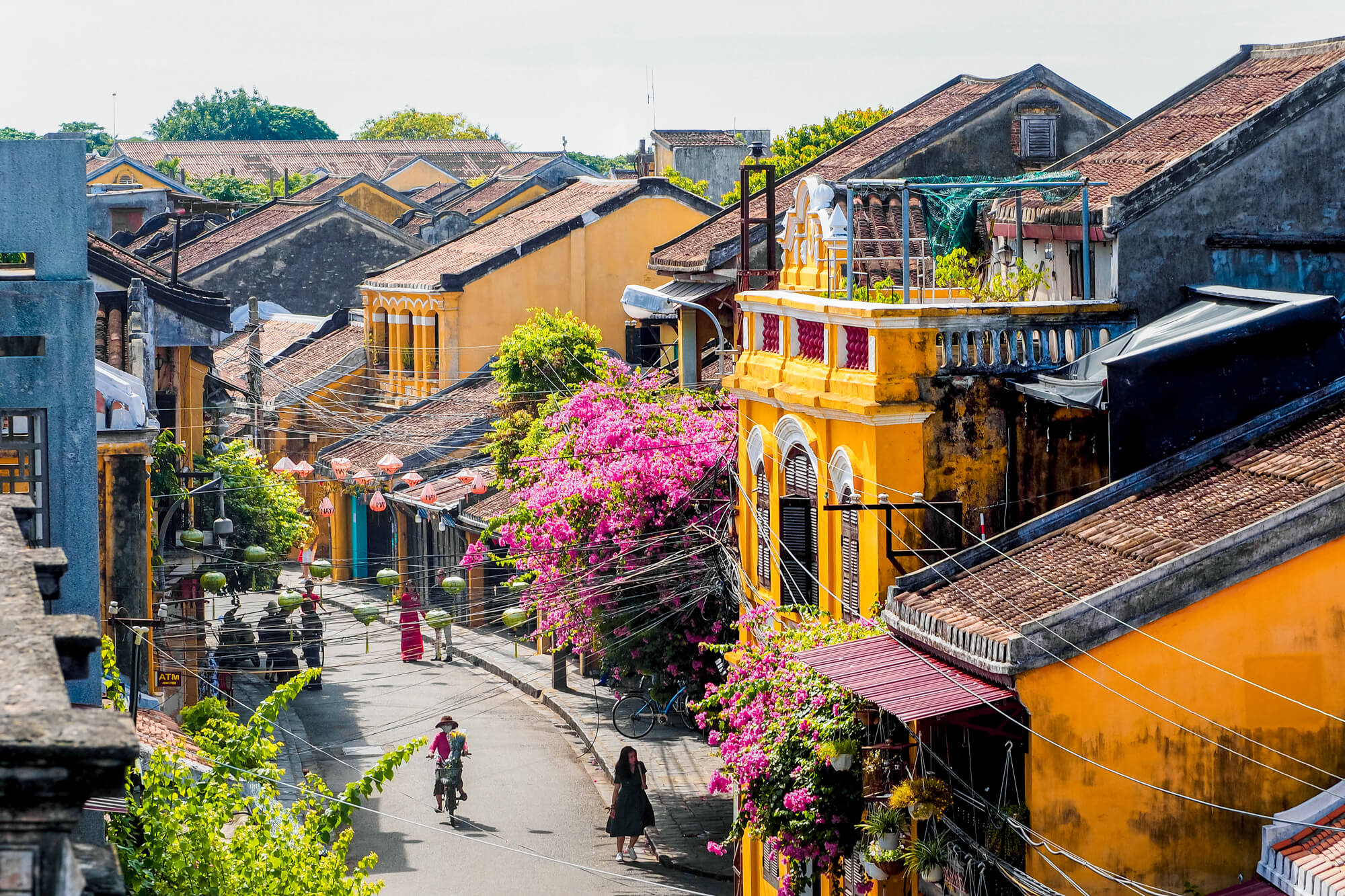
Hoi An Ancient Town – World Cultural Heritage
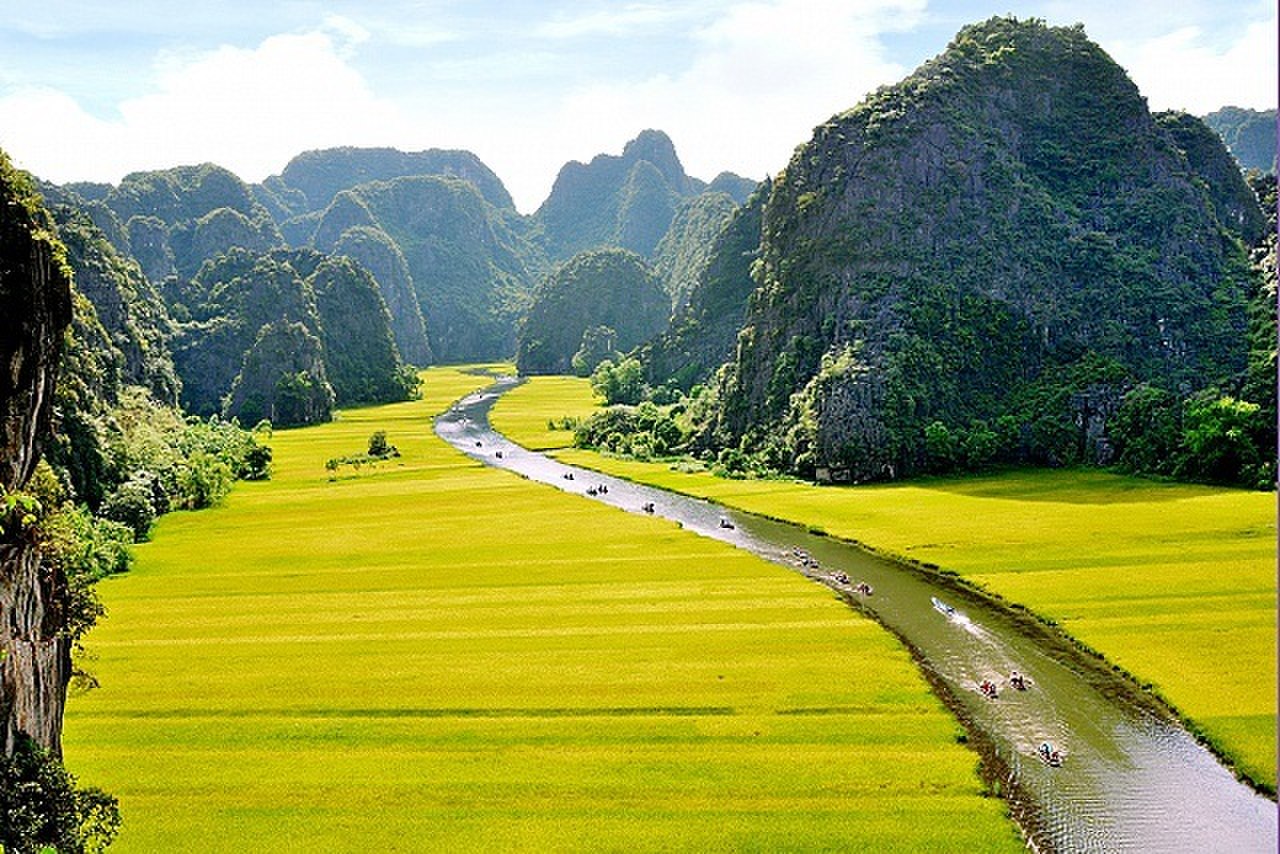
Ninh Binh – Maybe you don’t want to miss this majestic place

A city in the midst of the fog – Sapa
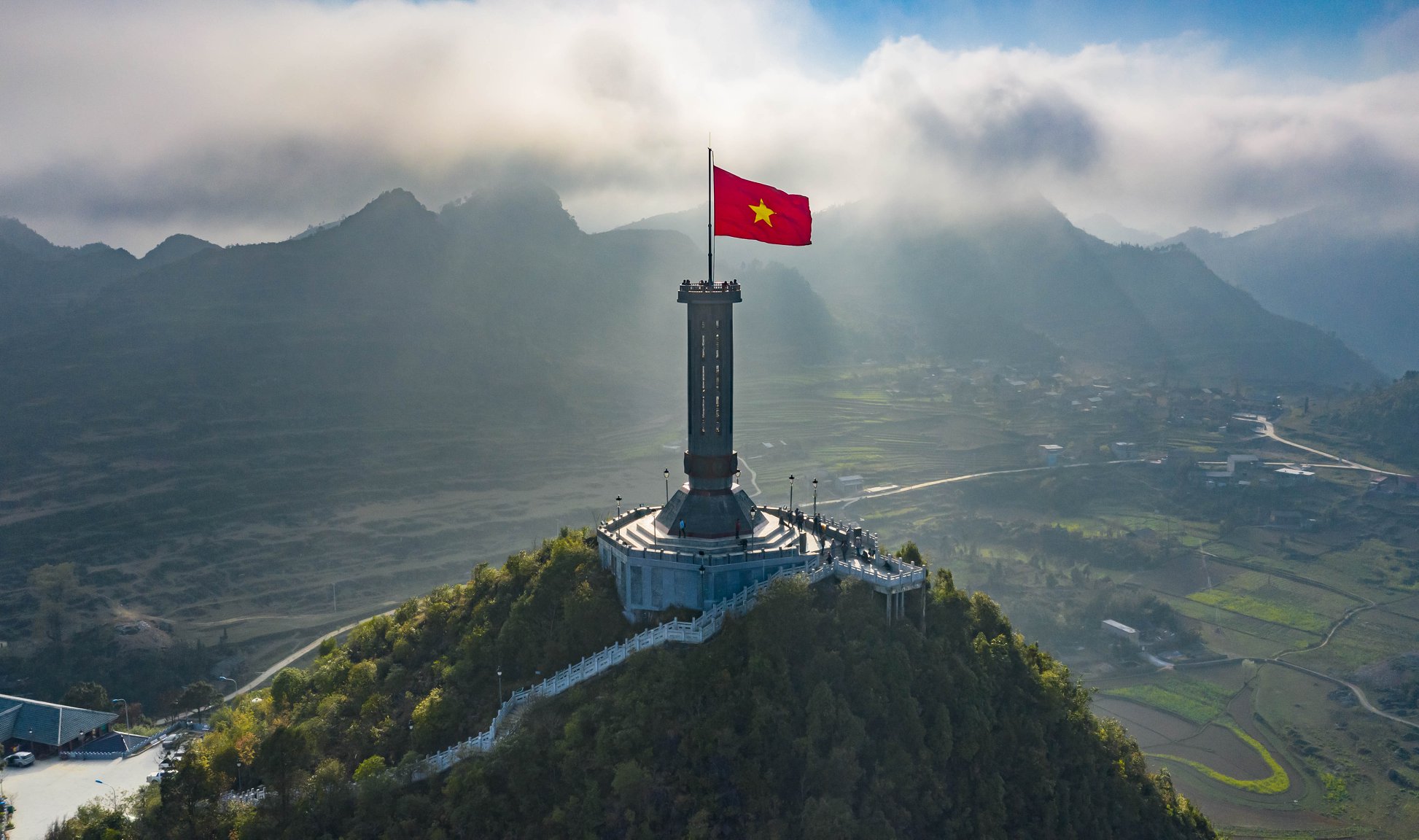
Ha Giang