


Bun Bo Hue: The Legendary Heritage Behind Vietnam’s Spicy Noodle Soup


Bún Bò Huế, the famous spicy beef noodle soup from Central Vietnam, has been recognized as a National Intangible Cultural Heritage. The honor celebrates more than taste — it recognizes centuries of craftsmanship, culture, and pride in every bowl.
The Legend of “Bà Bún” — The First Noodle Maker
Long ago, in Cổ Tháp village of Hương Điền district, a young woman named Bà Bún made her living crafting rice noodles. While others farmed the land, she quietly worked her mill, day after day. Her noodles became famous for their smooth texture and delicate flavor. Many admired her skill, but envy grew among some villagers.
When the region suffered three years of poor harvests, jealous tongues spread lies. They claimed the famine came because Bà Bún had offended the gods. They said she had dared to grind rice — “the pearl of heaven” — into noodles. The village elders ordered her to stop or leave forever.
Bà Bún chose her passion. She left her home, taking her stone noodle mill. Five strong young men followed her, each carrying the heavy mill for part of the journey. They walked east along the Bồ River until the last man collapsed under the weight. There, she settled and founded Vân Cù village — the birthplace of Vietnam’s finest noodles.
Through wars and generations, her craft survived. Her story and skill were passed down, forming the roots of today’s Bún Bò Huế.
Strength in Softness: The Spirit of Hue
Locals still say, “Soft as noodles, yet strong as the Eastern spirit.”
Bà Bún’s story reflects the strength and grace of Vietnamese women — patient, gentle, and unbreakable.
A Hue folk verse tells it best:
“Hoành Sơn nhất đái chim về cội,
Vạn đại dung thân đọi bún bò.”
(Across the mountains, birds return home — forever, the bowl of Bun Bo shelters our soul.)
Though Bà Bún is gone, her noodles live on. Each bowl of Bun Bo Hue carries her spirit.
The Craft of the Hue Noodle
Traditional Hue noodles are hand-pressed and kneaded from rice flour mixed with a little tapioca starch. The result is a noodle that’s thick, smooth, and slightly chewy. It looks different from the thin vermicelli of the North or the soft noodles of the South.
Locals believe the secret lies in the Bồ River’s water, which stays clear and sweet all year. That same river once guided Bà Bún on her journey. It still nourishes the village of Vân Cù today.
Originally, Bun Bo Hue was a simple meal: rice noodles with beef in clear broth — no pork. Over time, cooks added pork knuckle, Vietnamese ham (chả Huế), and chili oil, creating the rich, fiery version known around the world.
What Makes Bun Bo Hue Special
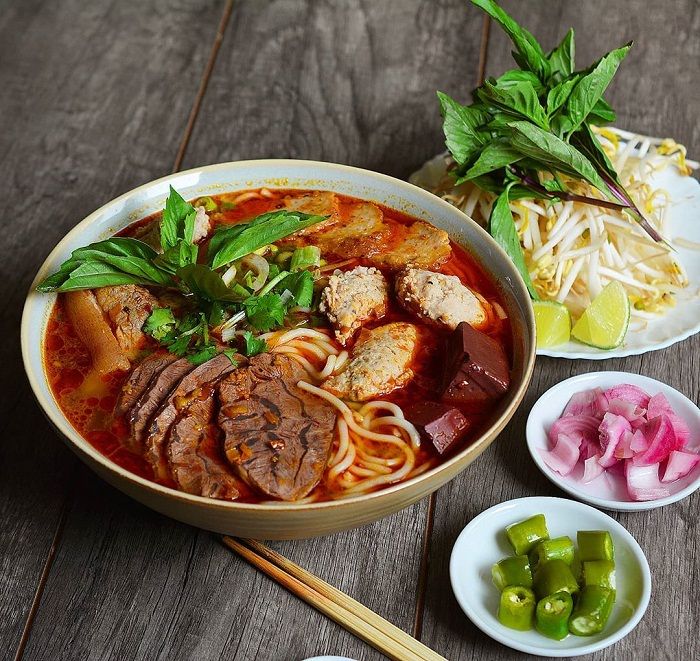
A true bowl of Bun Bo Hue includes:
- Rich lemongrass broth, slow-cooked with beef bones
- Slices of tender beef and pork knuckle
- Thick, handmade rice noodles
- Banana blossoms, herbs, and bean sprouts
- A bright red layer of chili oil on top
Hue cooks use pineapple or tamarind to clear and sweeten the broth. Pineapple is preferred — it softens the meat but keeps it firm. The result is a fragrant, spicy, and deeply satisfying soup.
At dawn in Hue, women still carry quang gánh (bamboo shoulder poles) through quiet streets. One basket holds a pot of steaming broth; the other carries fresh noodles and herbs. Each vendor keeps alive the art passed down from Bà Bún herself.
A Bowl of Living Heritage
The recognition of Bun Bo Hue as a National Intangible Cultural Heritage celebrates more than a recipe. It honors a legacy of patience, creativity, and love for the craft. From the myth of Bà Bún to the busy stalls of Hue, this dish tells a story of endurance and pride.
In every strand of noodle and every spoonful of broth, we taste the heart of Vietnam — warm, strong, and timeless.
images: collected
Plan Your Trip with TripAsean Tours
👉 Contact TripAsean Tours: For customized trip planning, hotel recommendations, and expert travel tips.
-
-
-
-
-
- 📞 Hotline: +84 961 518 918
- 🌐 Website: www.tripasean.com
- 📧 Email: info@tripasean.com
- 📝Let me know your request: Fill out the form here
-
-
-
-
Related Posts

Mui Ne Jeep Tour: Ride Through Vietnam’s Mini Desert at Bau Trang
Dalat Cherry Blossom Season 2026 | Wild Himalayan Blossoms
Ancient Xoan Singing in Phu Tho – A Unique Cultural Tourism Experience
Lo Lo Chai and Then Pa: Two Unique Villages in Lung Cu, Ha Giang
Tây Nguyên Gong Culture – UNESCO Intangible Heritage of the Highlands
Vietnamese Opera – Vietnam’s Traditional Theater Art
Buffalo Racing Festival: Where Sport Meets Khmer Culture in An Giang
Chau Phong Village: Preserving the Art of Cham Brocade Weaving in An Giang
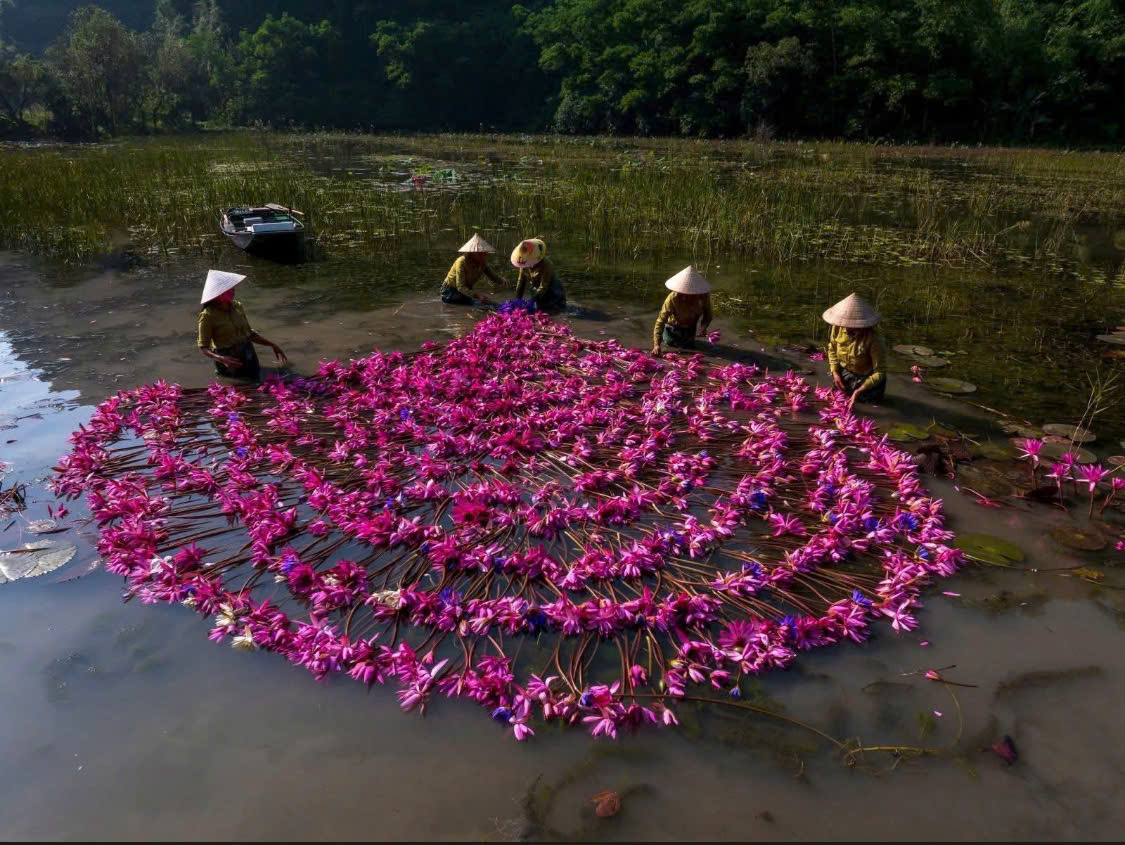
The Water Lily Season in Ninh Binh – Ngo Dong River Transforms into a Dreamy Purple Ribbon
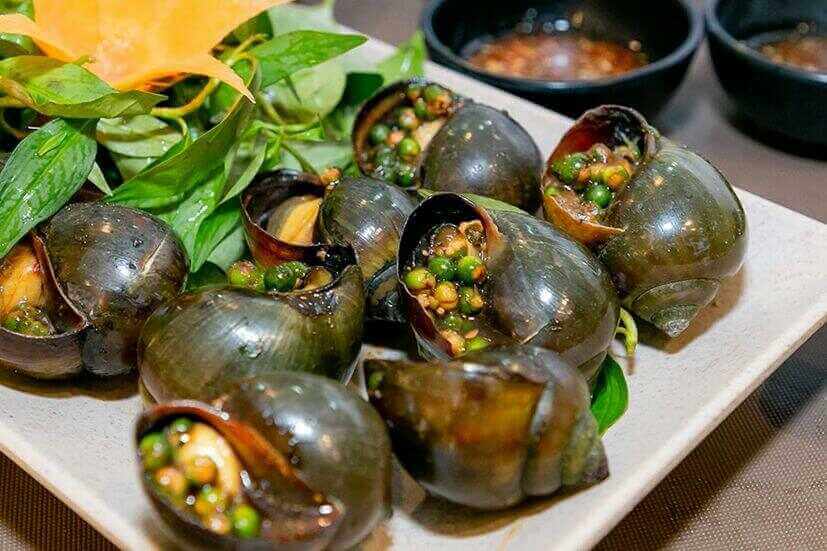
5 Vietnamese Snail Restaurants Recommended by Michelin

JW Marriott Phu Quoc Named One of Asia’s Top 5 Resorts
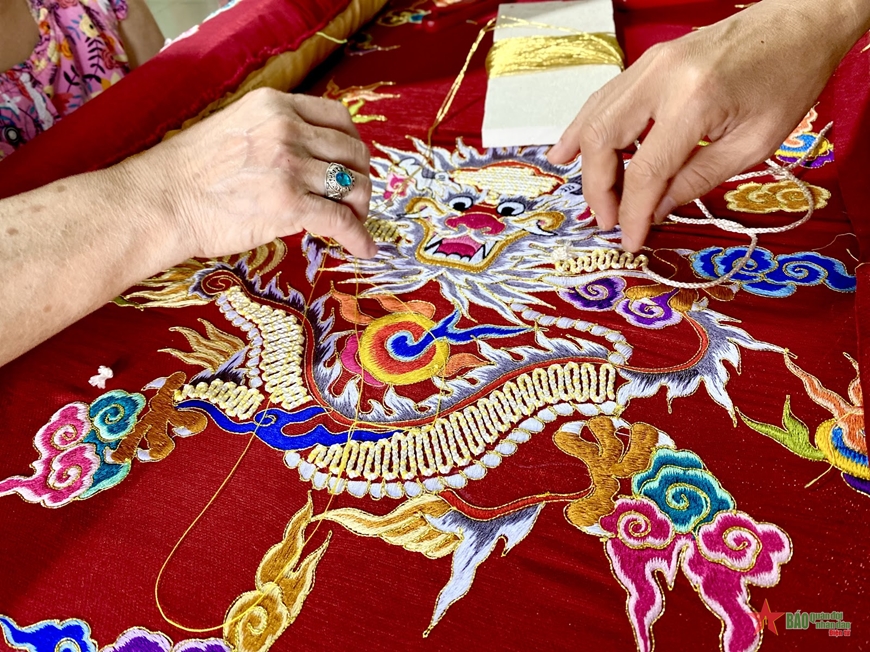
Dong Cuu Embroidery Village – The Timeless Art of Imperial Robe Embroidery in Hanoi

Ban Gioc Waterfall – The Biggest Waterfall in Vietnam

Bai Dinh Pagoda – The Majestic Beauty of A Pure Place

Ha Long Bay – Things you need to know

Hanoi Old Quarter – Things you need to know
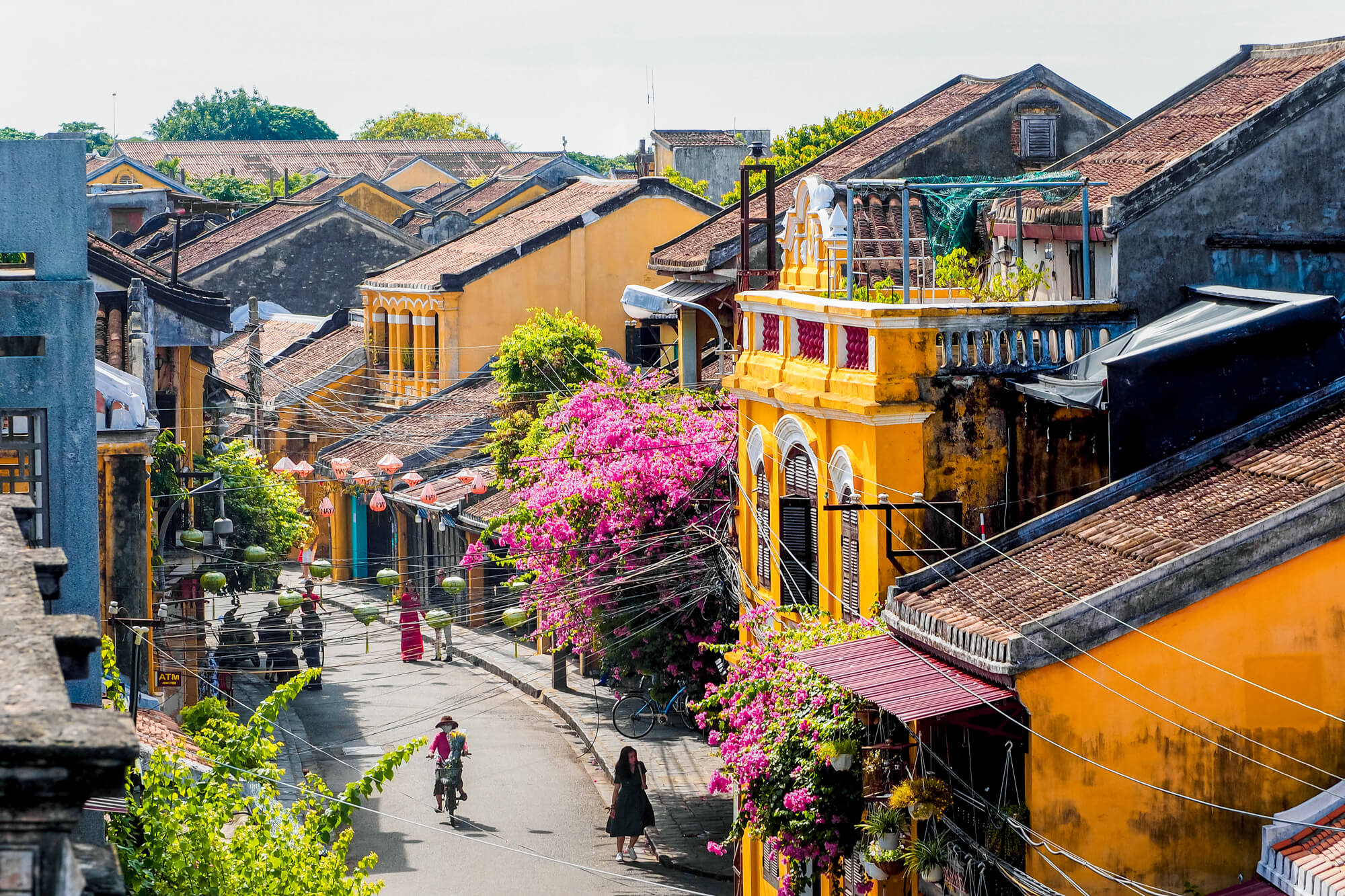
Hoi An Ancient Town – World Cultural Heritage
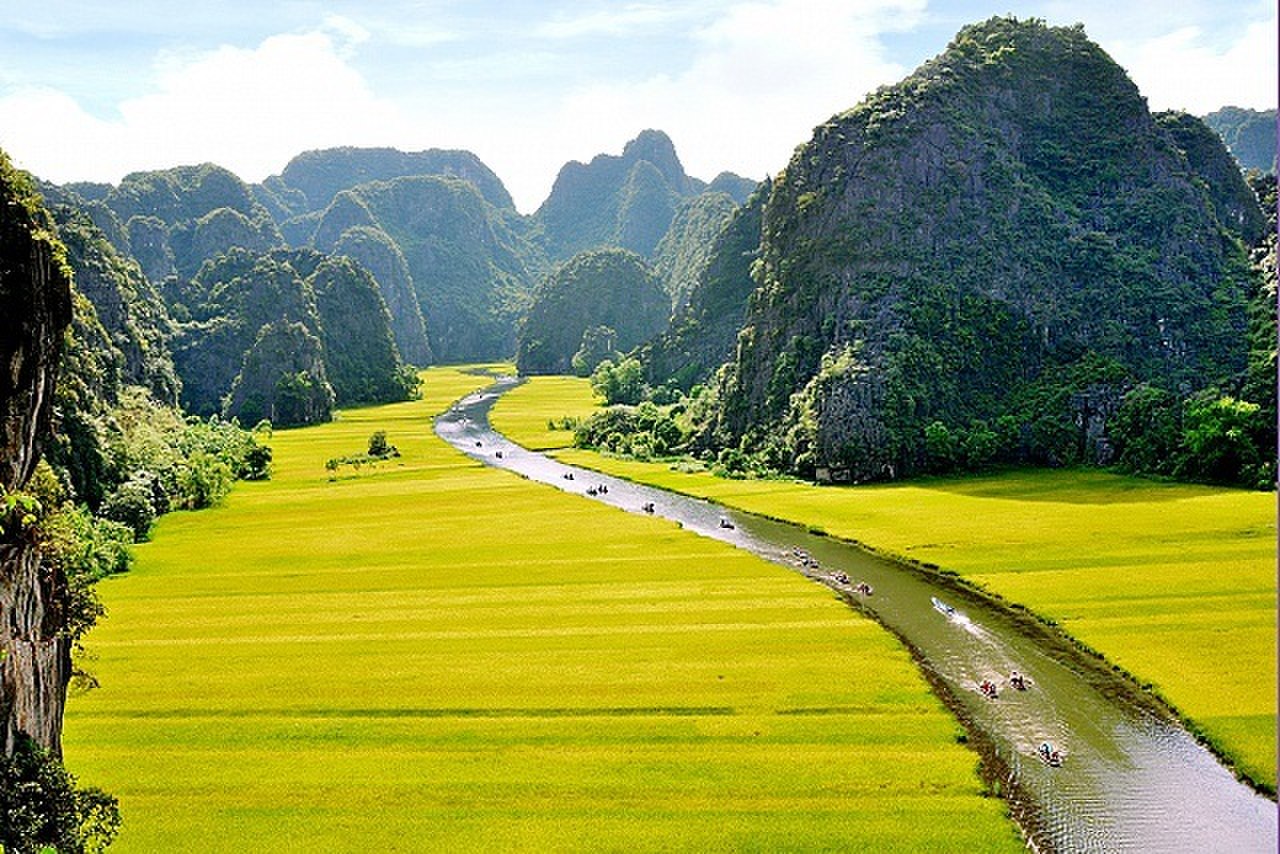
Ninh Binh – Maybe you don’t want to miss this majestic place

A city in the midst of the fog – Sapa

Ha Giang